
As dogs enter their senior years, many begin to experience age-related changes that can affect their mobility, comfort, and overall wellbeing. Stiff joints, muscle loss, arthritis, and reduced activity levels are common concerns for aging pets. Fortunately, physiotherapy offers a safe, effective, and non-invasive way to help senior dogs stay active, comfortable, and engaged in daily life.
Understanding the Challenges of Aging in Dogs
Just like humans, dogs experience physical changes as they age. Common issues seen in senior dogs include:
- Arthritis and joint pain
- Reduced flexibility and range of motion
- Muscle weakness and loss of muscle mass
- Balance and coordination difficulties
- Slower recovery from injuries or surgery
- Reduced endurance and energy levels
These changes can make everyday activities such as walking, climbing stairs, jumping into the car, or even standing up more difficult.

 What Is Canine Physiotherapy?
Canine physiotherapy involves a range of therapeutic techniques designed to improve movement, reduce pain, strengthen muscles, and support overall physical function. A qualified animal physiotherapist will assess your dog’s condition and create a tailored treatment plan based on their individual needs.
Treatment may include:
- Therapeutic exercises
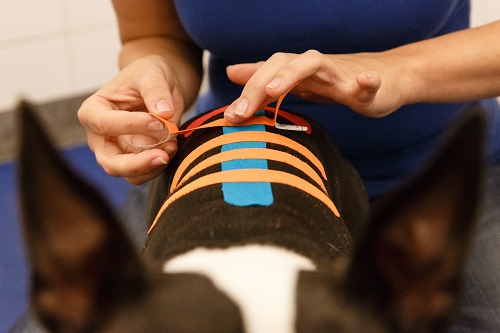
- Massage therapy
- Joint mobilization
- Stretching techniques
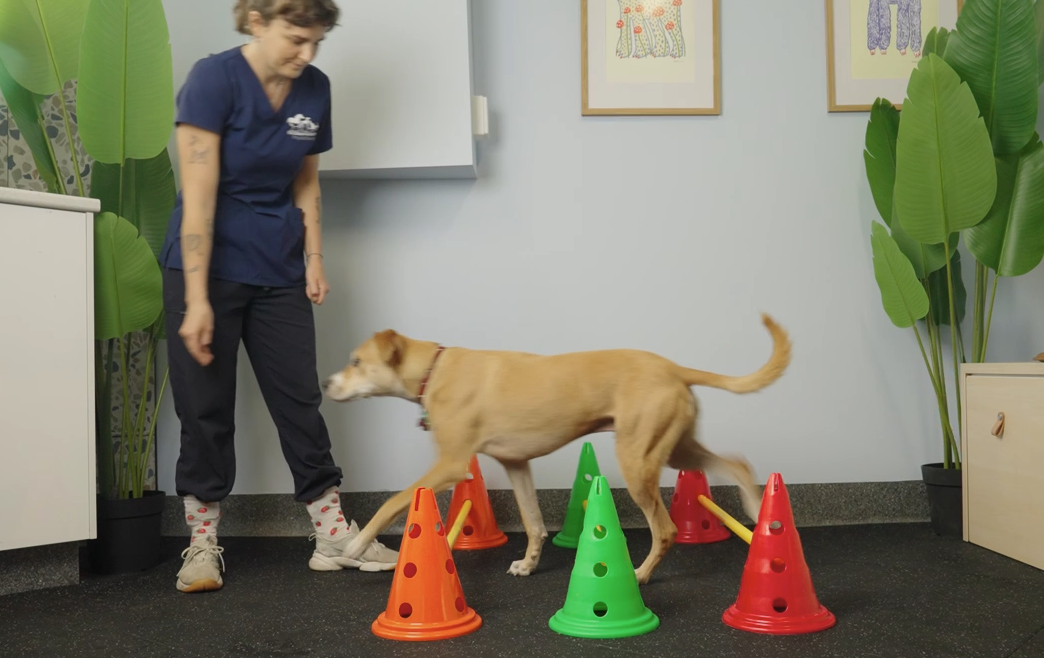
- Balance and coordination training
- Hydrotherapy
- Laser therapy and other pain management modalities
The goal is to help dogs move more comfortably and maintain their independence for as long as possible.
Benefits of Physiotherapy for Senior Dogs
1. Pain Management
One of the most significant benefits of physiotherapy is pain relief. Techniques such as massage, gentle stretching, and therapeutic exercises can help reduce discomfort associated with arthritis and other chronic conditions.
By managing pain effectively, senior dogs often become more willing to move, exercise, and participate in family activities.
2. Improved Mobility and Flexibility
Aging joints can become stiff and less mobile over time. Physiotherapy helps maintain joint range of motion and flexibility, making it easier for dogs to walk, stand, and navigate their environment.
Regular treatment can also help prevent compensatory movement patterns that may place additional stress on other parts of the body.
3. Muscle Strength Maintenance
As dogs age, they naturally lose muscle mass. Reduced activity due to pain or discomfort can accelerate this process.
Targeted strengthening exercises help maintain muscle tone and support the joints, improving stability and reducing the risk of falls or injuries.
4. Better Balance and Coordination
Senior dogs may experience decreased balance and body awareness, increasing the risk of slips and accidents.
Physiotherapy programs often include balance exercises that challenge coordination in a safe and controlled manner, helping dogs remain confident and stable during daily activities.
5. Support for Arthritis Management
Arthritis is one of the most common conditions affecting older dogs. While it cannot be cured, physiotherapy plays an important role in managing symptoms and slowing functional decline.
Combining physiotherapy with veterinary care, appropriate medication, weight management, and lifestyle modifications can significantly improve a dog’s quality of life.
6. Enhanced Recovery from Injury or Surgery
Older dogs may require more time to recover from orthopedic injuries or surgical procedures. Physiotherapy supports the healing process by improving circulation, maintaining muscle strength, and promoting safe movement during rehabilitation.
A structured rehabilitation program can help senior dogs regain function more efficiently and comfortably.
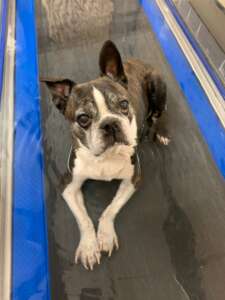 Signs Your Senior Dog May Benefit from Physiotherapy
Consider speaking with your veterinarian or a canine physiotherapist if your dog shows any of the following signs:
- Difficulty getting up from lying down
- Reluctance to climb stairs
- Limping or stiffness after rest
- Reduced interest in walks or play
- Difficulty jumping onto furniture or into vehicles
- Noticeable muscle loss
- Changes in posture or gait
- Recovery from surgery or injury
Early intervention can often lead to better long-term outcomes.
Supporting Your Dog at Home
In addition to professional physiotherapy, there are several ways owners can support their senior dog’s mobility:
- Maintain a healthy weight to reduce joint stress
- Provide non-slip flooring and supportive bedding
- Encourage gentle, regular exercise
- Use ramps where appropriate
- Follow prescribed home exercise programs
- Schedule regular veterinary check-ups
Consistency is key when managing age-related mobility issues.
Giving Senior Dogs the Best Quality of Life
Growing older does not mean a dog has to lose their enjoyment of life. With the right support, many senior dogs can continue to walk comfortably, play, explore, and spend quality time with their families.
Physiotherapy offers a proactive approach to managing the physical challenges of aging, helping senior dogs remain active, comfortable, and confident throughout their golden years. By addressing pain, maintaining strength, and improving mobility, physiotherapy can make a meaningful difference in both a dog’s wellbeing and their overall quality of life.