
Has your dog been limping, slowing down on walks, or hesitant to jump into the car? Shoulder injuries are often overlooked in dogs, but one of the most common causes of front leg lameness — especially in active breeds — is a condition called Medial Shoulder Instability (MSI).
At Melbourne Animal Physiotherapy, we see many dogs with MSI, and with the right physiotherapy plan, most make a fantastic recovery. Here’s what every pet owner should know.
? What Is Medial Shoulder Instability?
The shoulder joint in dogs relies on muscles, tendons, and ligaments (rather than strong bone structures) to stay stable. When the inner (medial) soft tissues — such as the subscapularis tendon and joint capsule — are overstretched or weakened, the joint can become unstable.
This leads to pain, inflammation, and subtle changes in movement that, over time, affect the entire forelimb.
? Which Dogs Are Most at Risk?
We most often diagnose MSI in:
-
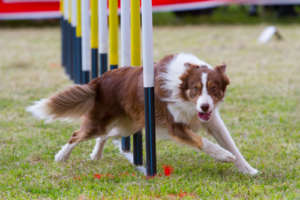
Sporting and agility dogs (Border Collies, Kelpies, Retrievers)
-
Working dogs who jump, twist, or sprint regularly
-
Energetic pets who play hard or chase balls on uneven ground
However, any dog can develop shoulder instability — especially if they’re deconditioned, overweight, or recovering from another injury.
⚠️ Common Signs to Watch For
MSI can be tricky to spot early on. Look for:
-
Ongoing or intermittent front leg lameness
-
Shortened stride or reduced shoulder flexion
-
Muscle loss around the shoulder
-
Pain when the leg is stretched out to the side
-
Reluctance to play, jump, or climb stairs
If you notice these signs, book an assessment with your vet or a qualified animal physiotherapist as soon as possible. Early diagnosis gives the best outcome.
? How Physiotherapy Supports Recovery
Physiotherapy is one of the most effective ways to manage and rehabilitate medial shoulder instability — whether your dog is recovering from surgery or being managed conservatively.
At Melbourne Animal Physiotherapy, our approach focuses on:
-
Individualised exercise programs to rebuild rotator cuff strength and joint control
-
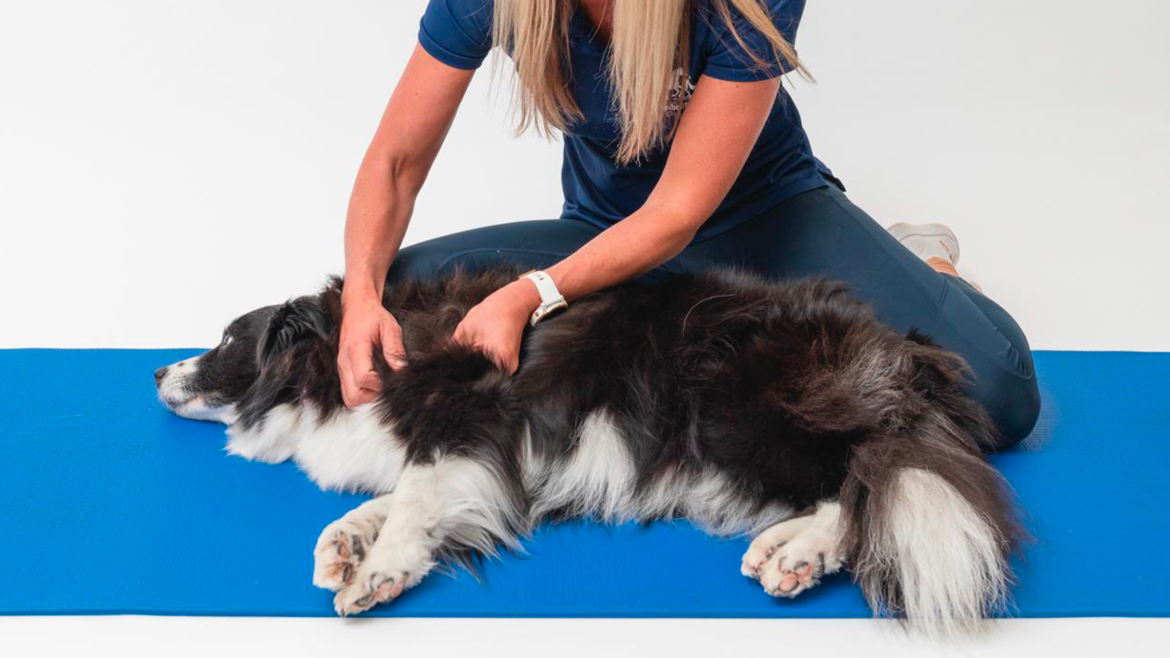
Manual therapy and massage to relieve tight, compensating muscles
-
Balance and proprioception training for improved joint stability
-
Laser and dry needling to support healing
-
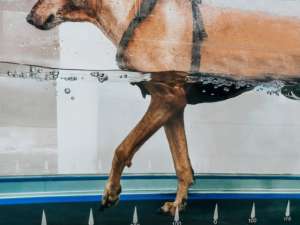
Hydrotherapy for safe, low-impact strengthening
Each plan is tailored to your dog’s needs, activity level, and personality — because every dog’s recovery journey is unique.
? Post-Surgical Rehabilitation
In more severe cases, surgical stabilisation may be required. Our physiotherapists work closely with referring veterinarians and surgeons to guide dogs safely through recovery, including:
-
Gentle range-of-motion and pain relief exercises in the early stages
-
Gradual muscle reconditioning and gait retraining
-
A progressive return to normal activity or sport over 8–12 weeks
Physiotherapy ensures your dog heals safely while regaining confidence and comfort in movement.
? Helping Dogs Move Better, Live Happier
Medial shoulder instability doesn’t have to be a lifelong problem. With professional assessment, guided therapy, and ongoing conditioning, most dogs regain their mobility and go on to live full, active lives.
If your dog is showing signs of shoulder pain or lameness, our experienced team at Melbourne Animal Physiotherapy can help.
We’ll assess your dog’s movement, create a tailored plan, and support them every step of the way — from first limp to full recovery.
? Book an appointment today and help your dog move with confidence again.
? www.map.physio