
A Step-by-Step Guide
Cranial cruciate ligament (CCL) injuries are one of the most common orthopaedic problems seen in dogs. While many dogs undergo surgery, some cases can be managed conservatively, particularly in smaller dogs, partial tears, or when surgery is not possible.
At Melbourne Animal Physiotherapy, we work closely with veterinarians to guide dogs through a structured rehabilitation plan that helps restore strength, stability, and confidence in the affected limb.
Recovery takes time and requires careful progression. Below is an overview of the typical stages involved in conservative cruciate rehabilitation.
Step 1: The Acute Phase (Weeks 0–2)
Protecting the Joint
The first stage focuses on reducing pain, inflammation, and further injury.
Dogs with cruciate injuries often present with:
-
Sudden hindlimb lameness
-
Difficulty weight bearing
-
Swelling around the knee
-
Reduced activity levels
During this phase, management typically includes:
• Strict activity restriction
• Controlled leash walks only for toileting
• Anti-inflammatory medications prescribed by your veterinarian
• Ice therapy to reduce swelling
• Gentle physiotherapy guidance
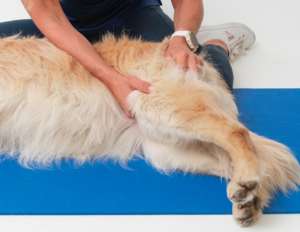
At MAP, early physiotherapy focuses on maintaining comfort and preventing secondary problems such as muscle loss and joint stiffness.
Step 2: Early Rehabilitation (Weeks 2–6)
Restoring Movement and Muscle Activation
Once pain and inflammation begin to settle, we introduce gentle controlled exercises to begin rebuilding stability around the knee joint.
Key goals during this stage include:
• Encouraging controlled weight bearing
• Preventing muscle atrophy
• Maintaining joint range of motion
• Improving early limb confidence
Typical rehabilitation techniques may include:
• Assisted standing exercises
• Controlled weight shifting
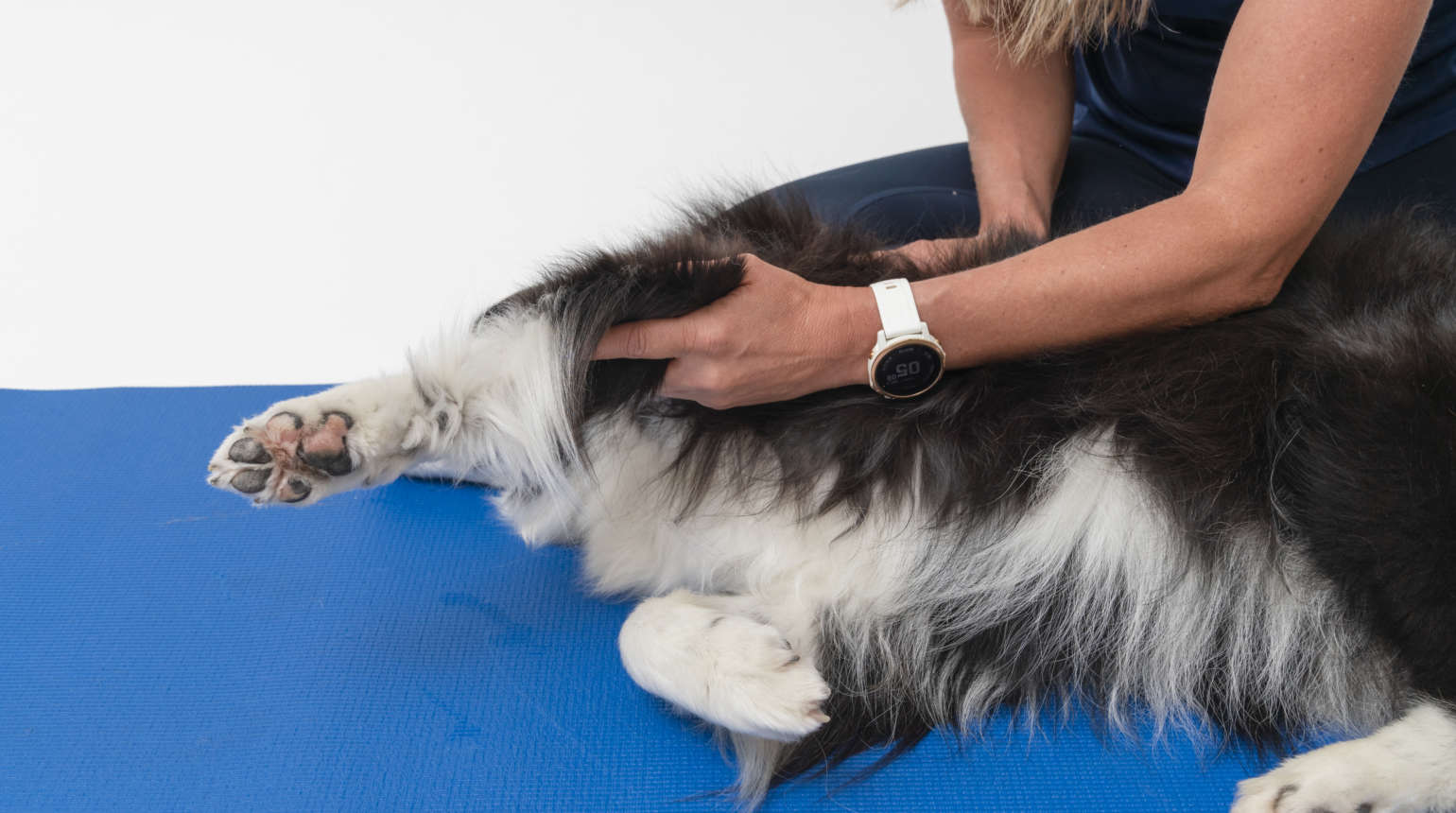
• Gentle passive range of motion exercises
• Massage therapy
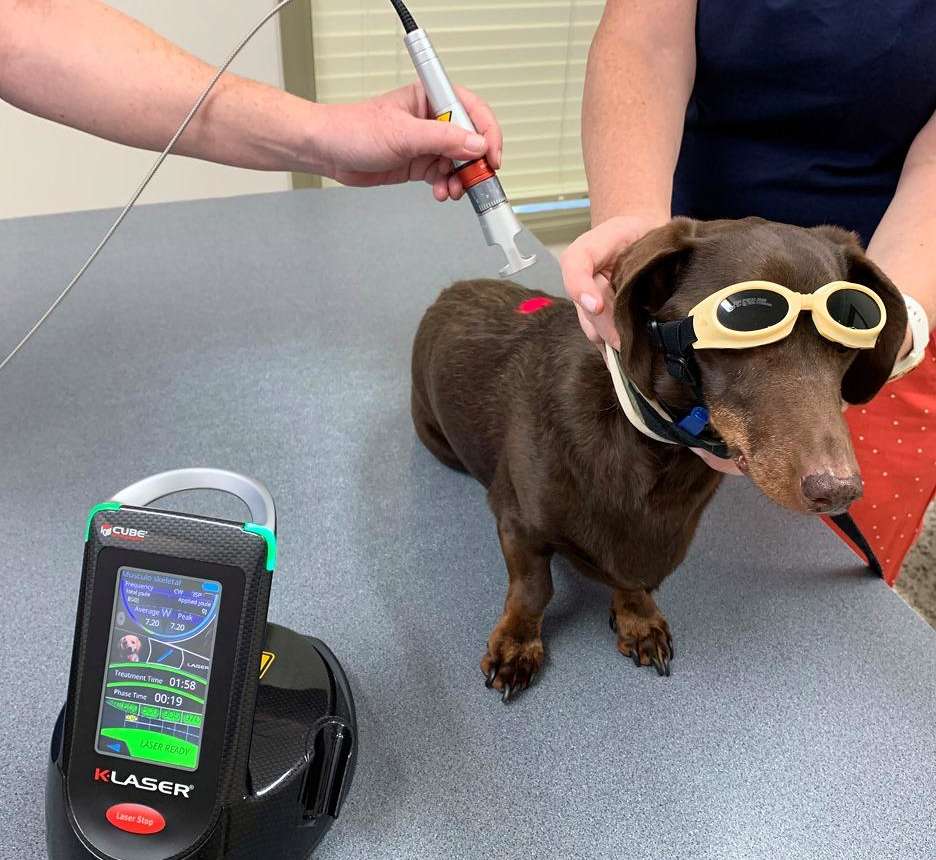
• Laser therapy to assist healing
Hydrotherapy can often begin in this stage, allowing dogs to move in a supported, low-impact environment.
Step 3: Strength Building Phase (Weeks 6–12)
Improving Stability Around the Knee
As healing progresses, rehabilitation focuses on strengthening the muscles that stabilise the knee, particularly the quadriceps, hamstrings, and gluteal muscles.
Dogs that progress too quickly during this stage risk re-injury or chronic instability, so controlled exercise is essential.
Exercises commonly introduced include:
• Slow controlled leash walks
• Sit-to-stand exercises
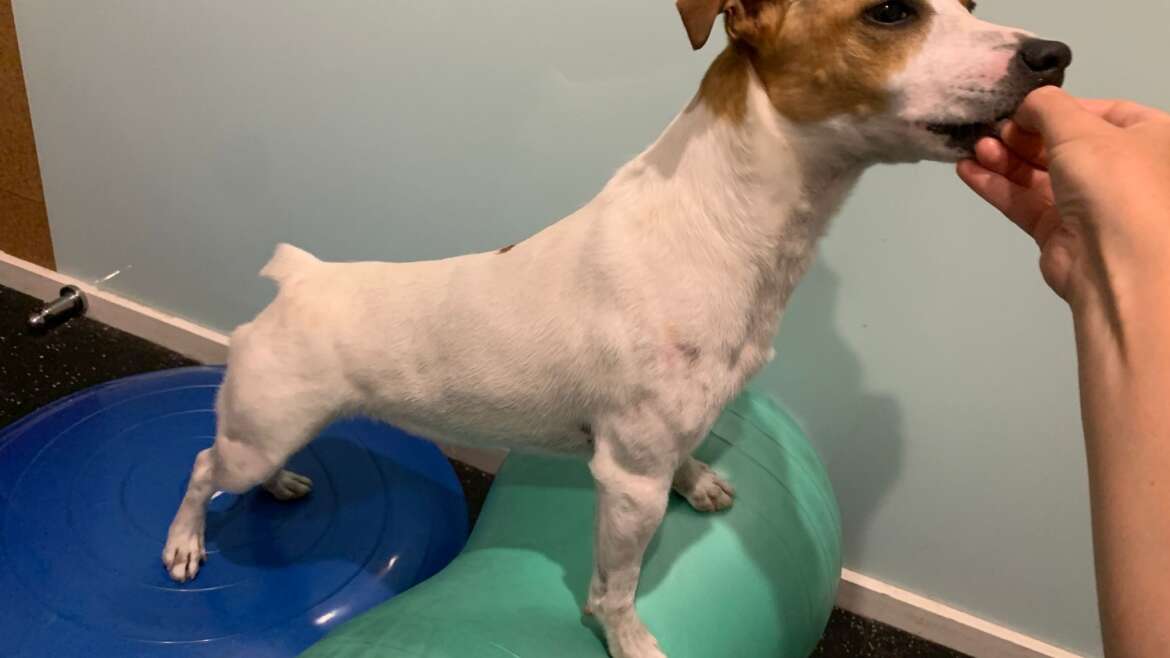
• Balance and proprioception training
• Cavaletti poles
• Hydrotherapy treadmill sessions
These exercises help restore coordination, strength, and joint stability. 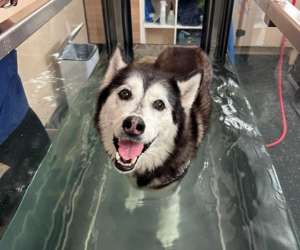
Step 4: Functional Recovery (3–4 Months)
Returning to Normal Activity
At this stage, most dogs begin returning to more normal daily activities.
The focus shifts toward:
• Improving endurance
• Building muscle symmetry between limbs
• Increasing exercise tolerance
• Improving dynamic stability
Exercise progression may include:
• Longer walks
• Incline walking
• Advanced strengthening exercises
• Controlled play
Monitoring is important to ensure the knee remains stable and comfortable.
Step 5: Long-Term Management and Prevention
Cruciate ligament disease is often degenerative, meaning the opposite knee can also be at risk over time.
Long-term management focuses on:
• Maintaining a healthy body weight
• Regular strength exercises
• Avoiding sudden high-impact activities
• Ongoing conditioning
Many dogs benefit from periodic physiotherapy reviews to ensure their muscles remain strong and balanced.
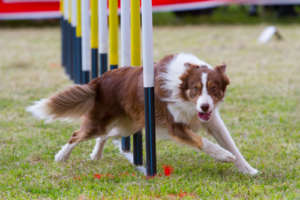
Why Physiotherapy Is Important for Conservative Cruciate Management
Without rehabilitation, dogs often develop:
• Significant muscle loss
• Chronic joint instability
• Reduced mobility
• Arthritis progression
Physiotherapy and hydrotherapy help guide dogs through recovery safely while rebuilding the strength and stability needed for long-term joint health.
When Is Conservative Management Appropriate?
Conservative management may be considered for:
• Small breed dogs
• Partial ligament tears
• Dogs with medical conditions preventing surgery
• Older dogs with lower activity levels
Every dog is different, so a veterinary diagnosis and physiotherapy assessment are essential to determine the most appropriate treatment plan.
Supporting Your Dog’s Recovery
Recovering from a cruciate injury takes patience and consistency. With the right rehabilitation program, many dogs can regain comfort and mobility without surgery.
If your dog has been diagnosed with a cruciate ligament injury and you would like guidance on physiotherapy or hydrotherapy, our team at Melbourne Animal Physiotherapy would be happy to help.
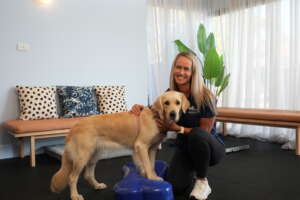
🐾 Book an assessment with Melbourne Animal Physiotherapy to develop a personalised rehabilitation plan for your dog.