
Animal Physiotherapy
Melbourne Animal Physiotherapy has been providing professional animal physiotherapy and hydrotherapy for small animals since 2007. Our team is highly regarded by veterinary professionals for delivering exceptional rehabilitation and supportive care to help pets recover, improve mobility, and maintain quality of life.
Animal physiotherapy is very similar to human physiotherapy. Each consultation begins with a thorough assessment, including a detailed history of your pet’s current condition, previous injuries, and usual lifestyle. We also liaise with your pet’s veterinarian and/or surgeon to gather relevant medical information prior to your appointment.
During the consultation, we carefully observe your pet’s movement and function in ways appropriate to their condition. Using skilled palpation — our most valuable diagnostic tool — we assess muscle mass, joint mobility, and range of motion.
From this assessment, we identify the key problems affecting your pet, discuss realistic rehabilitation goals, and design an individualised treatment plan aimed at achieving the best possible recovery.
We work closely with your veterinarian to ensure medications and supplements are appropriate and supporting your pet’s recovery. In many cases, physiotherapy can also help address the underlying cause of pain or dysfunction, sometimes reducing the need for medication.
Following your appointment, you will receive a clear visual home exercise program to continue your pet’s rehabilitation at home. Your veterinarian will also receive a detailed report outlining our assessment findings and treatment plan.
Treatments may include:
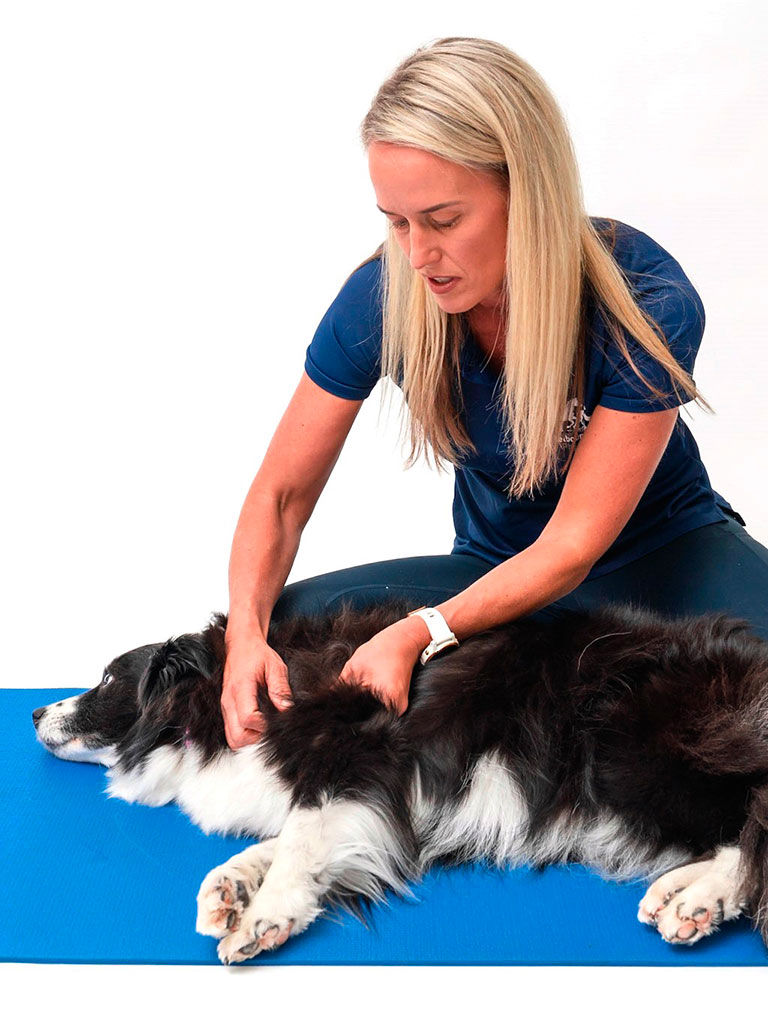
- Massage therapy
- Joint mobilisation
- Muscle and joint stretching
- Muscle strengthening and conditioning
- Trigger point therapy
- Dry needling
- Laser Therapy
- Proprioceptive and support taping
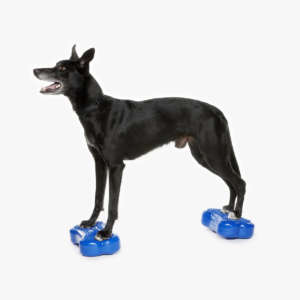
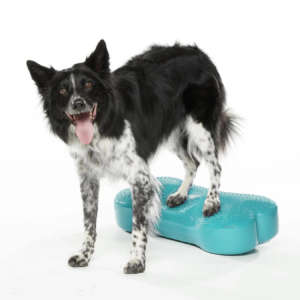
- Proprioceptive and balance re-training
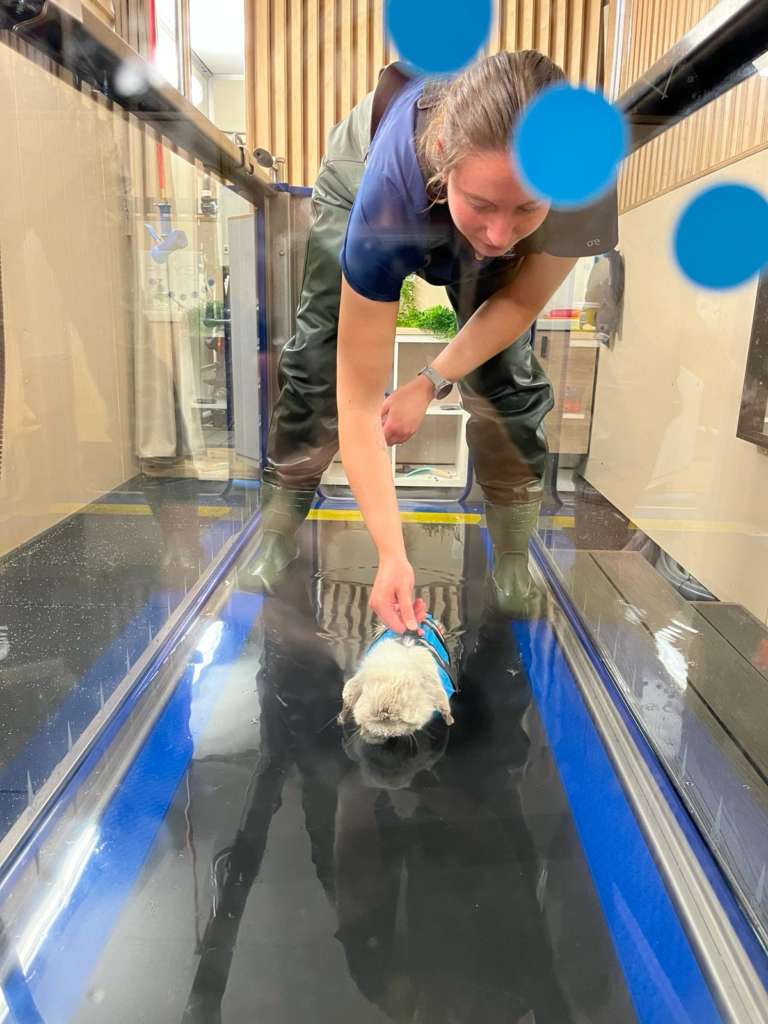
- Hydrotheraoy using our Underwater Treadmills
- Advice regarding rehabilitation products
- Home Exercise Prescription
- Diet, supplement and weight loss advice
Hydrotherapy
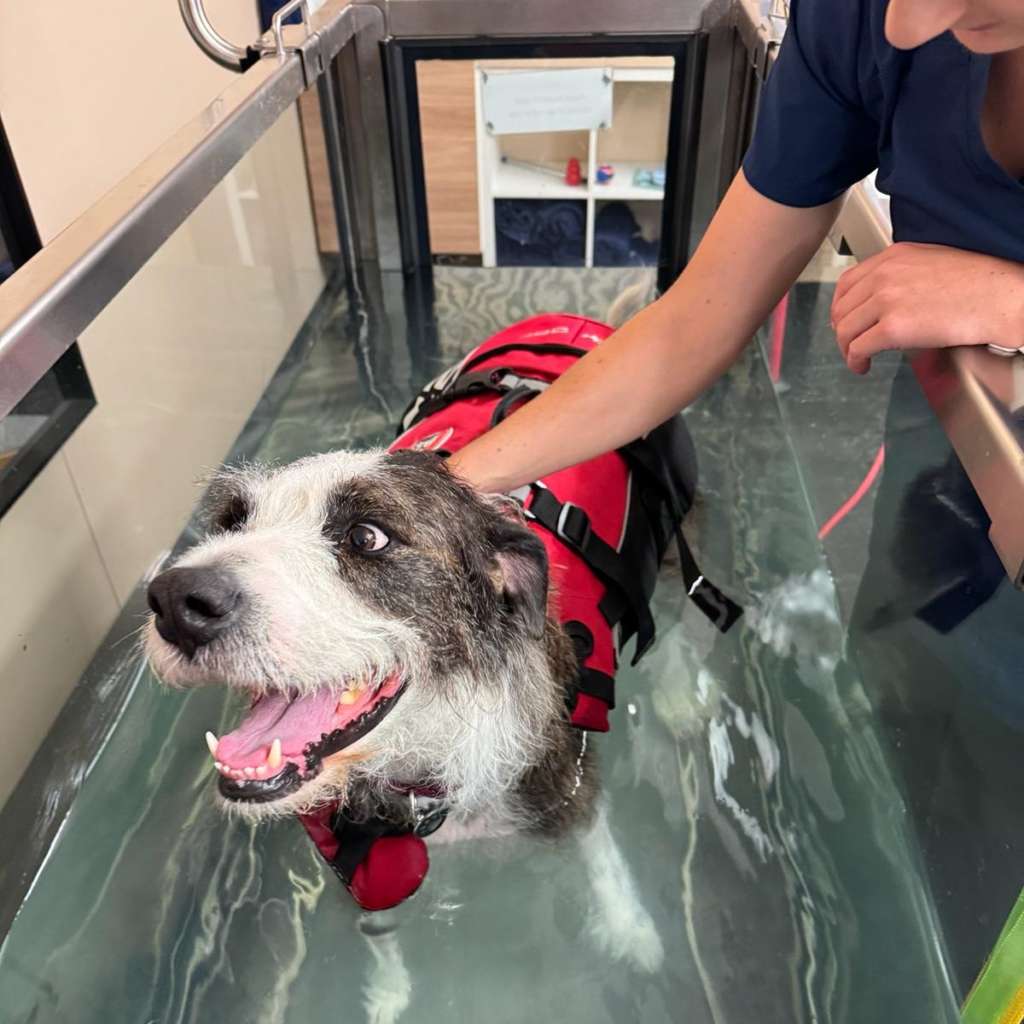
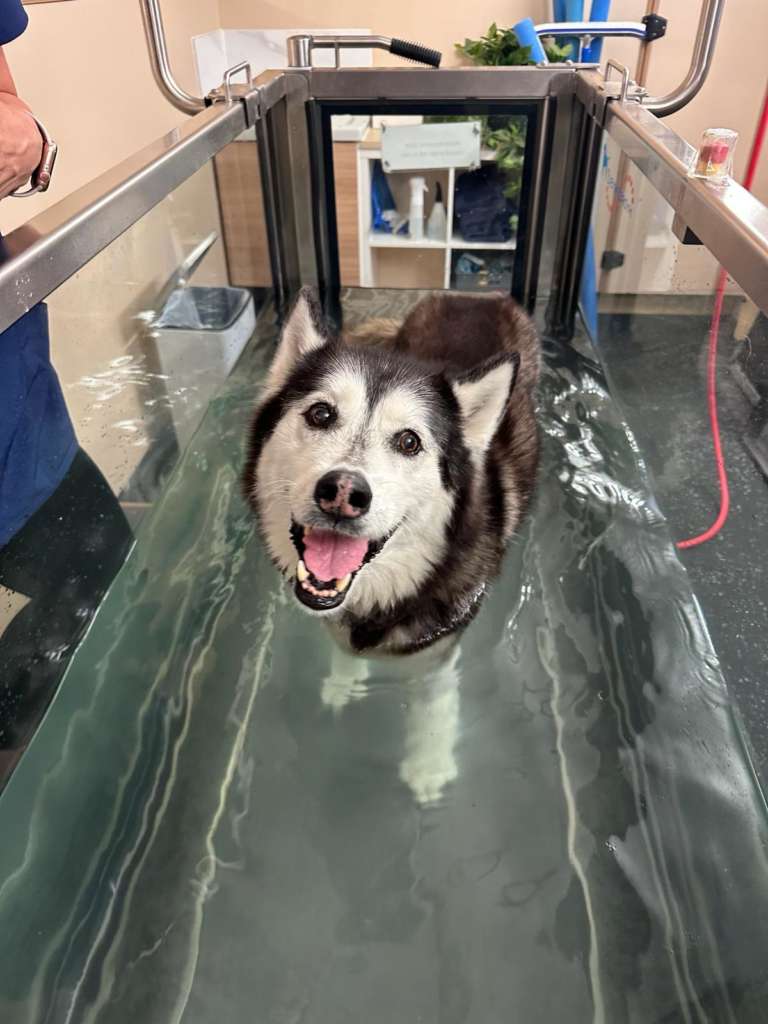
Hydrotherapy for dogs has become increasingly popular in recent years as a safe and effective form of rehabilitation and conditioning. As awareness has grown, more hydrotherapy options have become available for small animals.
The therapeutic benefits of water have been recognised in human medicine for thousands of years, particularly for treating injuries and painful joints. In veterinary medicine, hydrotherapy first gained prominence in the horse racing industry, where walking horses in water was shown to improve conditioning and support recovery from injury. The same principles were later adopted in the greyhound racing industry.
With the development of underwater treadmills for dogs, hydrotherapy soon expanded beyond the racing industry and is now widely used to help dogs recover from injury, surgery, and chronic conditions.
At Melbourne Animal Physiotherapy, hydrotherapy sessions are guided by an initial physiotherapy assessment and ongoing physiotherapy reviews. This ensures every program is tailored to your dog’s specific condition and rehabilitation goals. Our hydrotherapists work closely with our physiotherapy team, regularly discussing cases to ensure each patient receives the most appropriate treatment.
Canine hydrotherapy can help treat a wide range of injuries and health conditions, including:
- Neurological problems, involving non-ambulatory dogs
- CCL injuries (cruciate injuries)
- Other orthopedic injuries or conditions
- Post-surgical healing and recovery
- Weight loss
- Degenerative conditions like degenerative myelopathy
- Metabolic conditions like Cushing’s and diabetes that can cause muscles to atrophy
The type of hydrotherapy recommended will depend on the condition being treated and the individual needs of the dog.
Underwater Treadmill Therapy
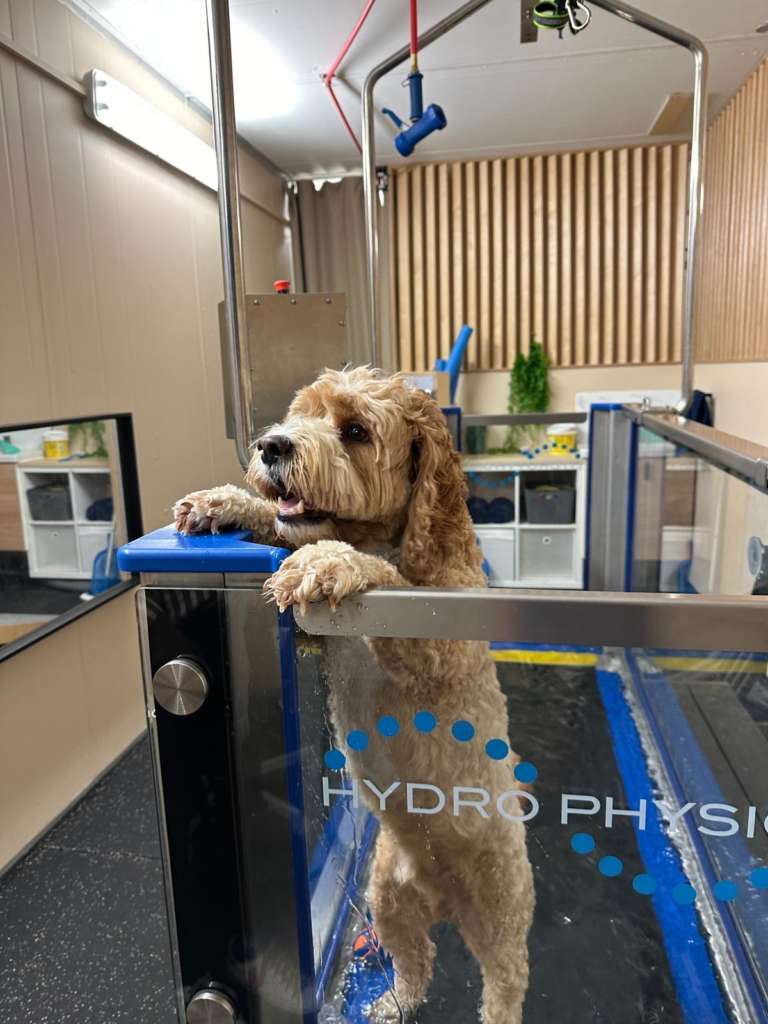
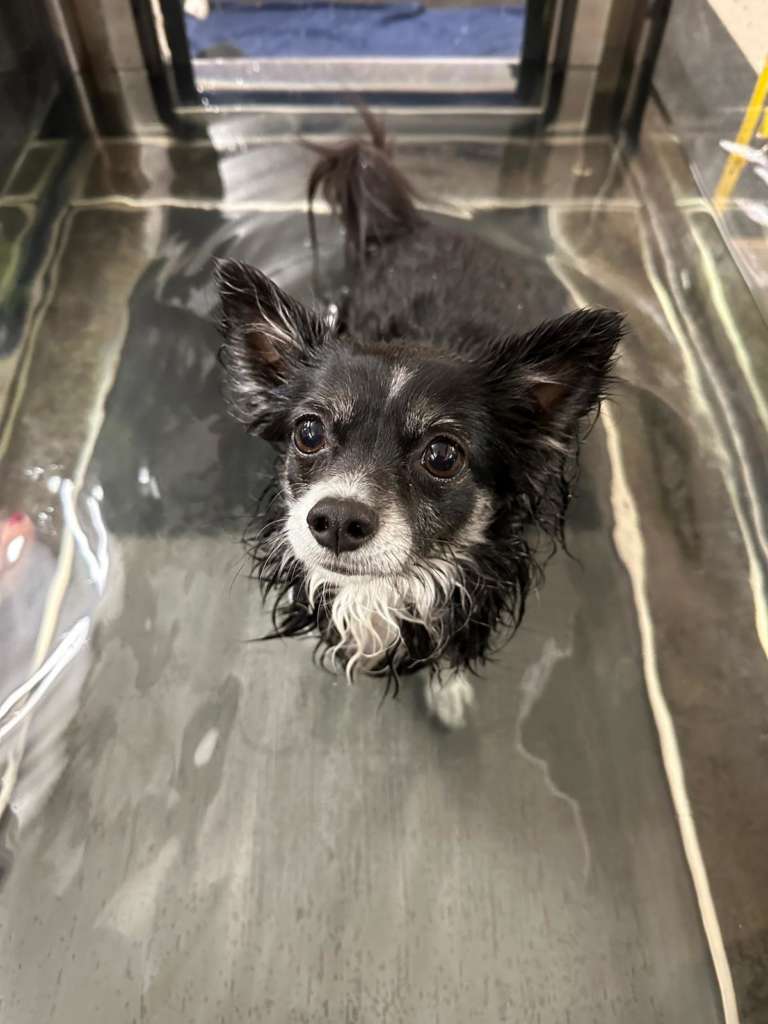
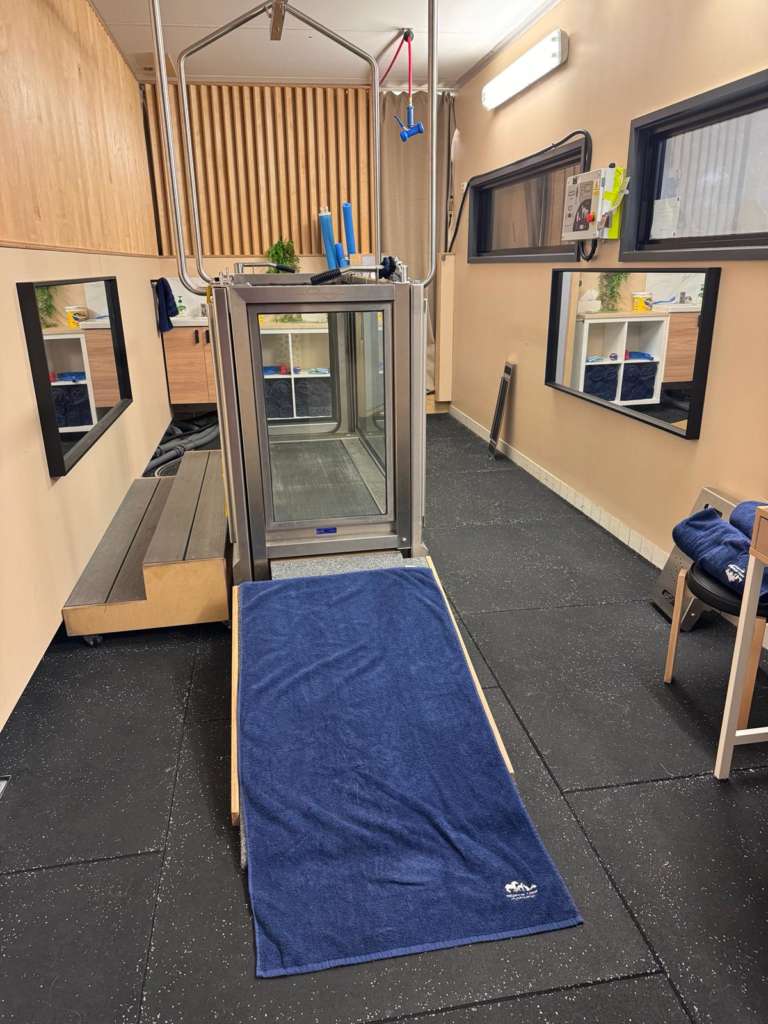
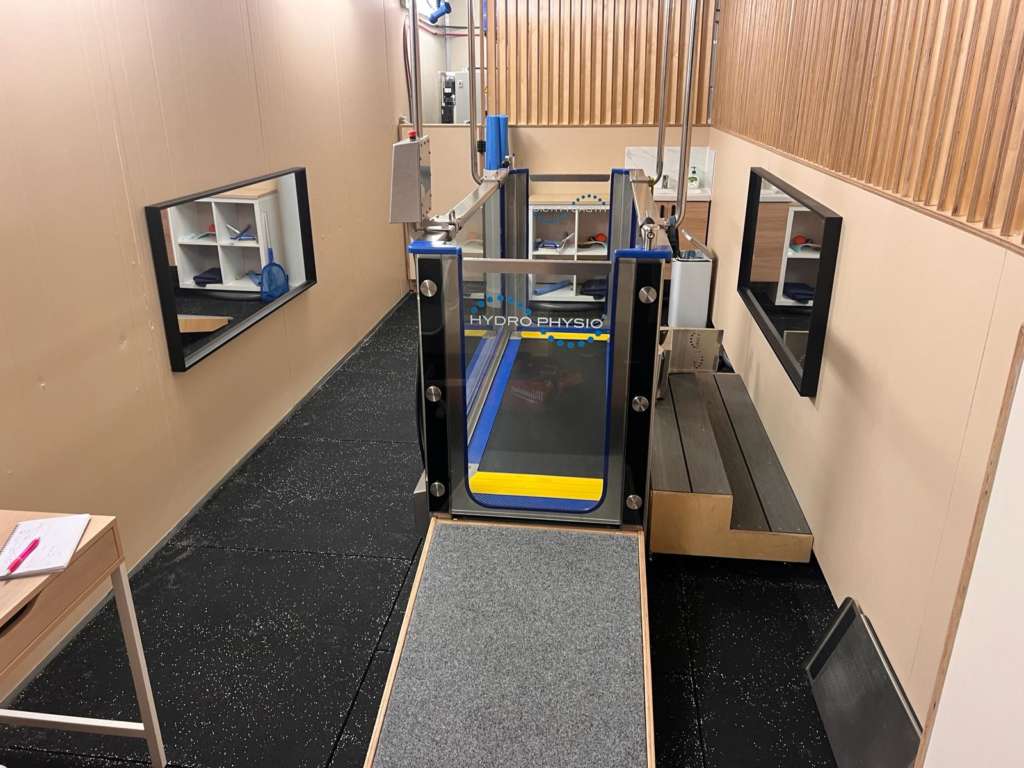
The underwater treadmill allows precise control over the exercise program. Water depth and treadmill speed can be adjusted throughout the session to safely modify the workload and tailor the exercise to the patient’s condition.
This controlled environment allows dogs to move more easily while reducing stress on joints and supporting safe rehabilitation.
Hydrotherapy as Part of a Complete Rehabilitation Plan
Hydrotherapy is a valuable rehabilitation tool, but it is most effective when used as part of a comprehensive physiotherapy program.
Water exercise can help build muscle mass, improve cardiovascular fitness, and increase stamina. However, hydrotherapy alone cannot target specific muscles, reduce inflammation, or treat pain directly.
For the best outcomes, treatment programs typically include a combination of:
-
Physiotherapy
-
Hydrotherapy
-
Targeted strengthening and rehabilitation exercises
To ensure hydrotherapy sessions are safe and effective, dogs must first undergo a full physiotherapy assessment. This allows us to identify treatment goals and design a rehabilitation program that maximises the benefits of hydrotherapy.
Laser Therapy
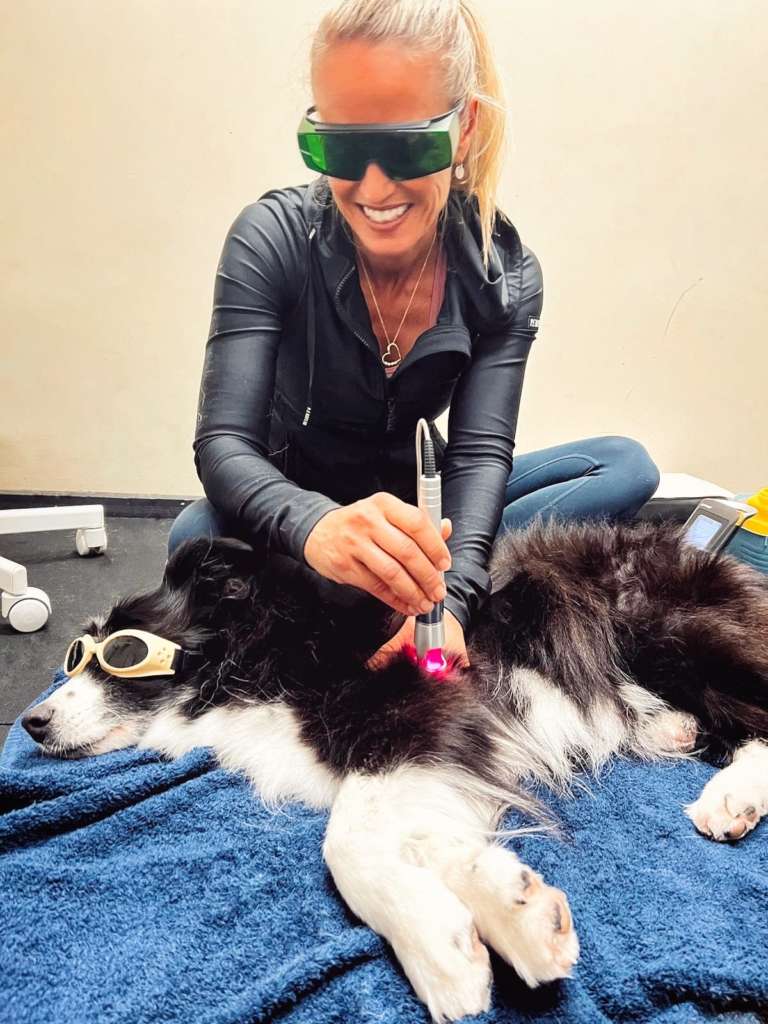
At MAP, we have multiple top of the range Class 4 Lasers, the highest quality laser treatment in the industry.
This therapy stimulates the body’s natural healing mechanisms using laser light of different wavelengths, power, and frequency. It effectively reduces pain, inflammation, and swelling, improves healing times and circulation, and is now more accessible to a wider range of patients.
During laser therapy, most pets find the experience pleasant, and sedation or restraint is generally unnecessary.
Treatment times vary but are typically under 8 minutes. While improvement can be seen after the first visit, multiple sessions are usually required for the best results.
Laser therapy provides pain reduction, inflammation reduction, accelerated wound healing, improved vascular and metabolic activity, and can be beneficial for specific conditions. It is a non-invasive and drug-free alternative for managing pain and promoting healing in pets. Class IV K Laser Therapy targets natural light-absorbing complexes in the body, triggering better cellular respiration, blood circulation, and tissue healing.
Laser therapy can effectively treat a variety of conditions, including:
- Joint pain and osteoarthritis
- Tendonitis
- Edema and congestion
- Chronic pain and lameness
- Fractures, sprains, and strains
- Trauma and puncture wounds
- Dermatitis
- Neck and back pain
- Hip dysplasia
- Burns, infected, and chronic wounds
- Rehabilitation and post-surgical recovery
To make an appointment for Class IV Laser Therapy or to discuss the best combination of therapies for your pet’s quality of life, we recommend scheduling an initial physiotherapy appointment at MAP. This will allow us to determine the desired program for optimal outcomes.
Canine Massage
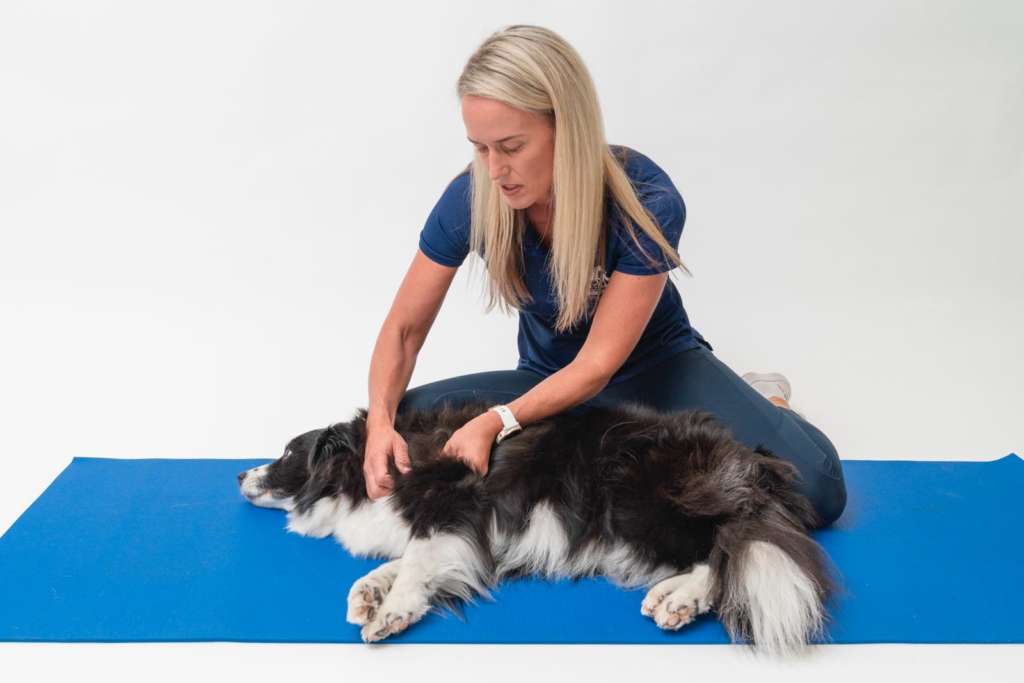
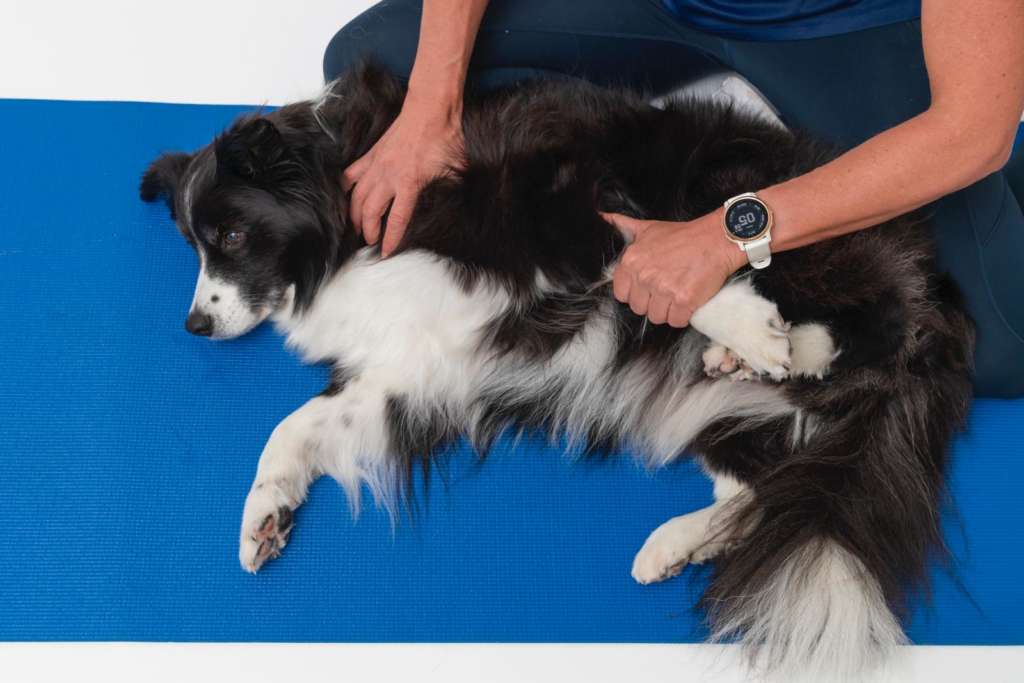
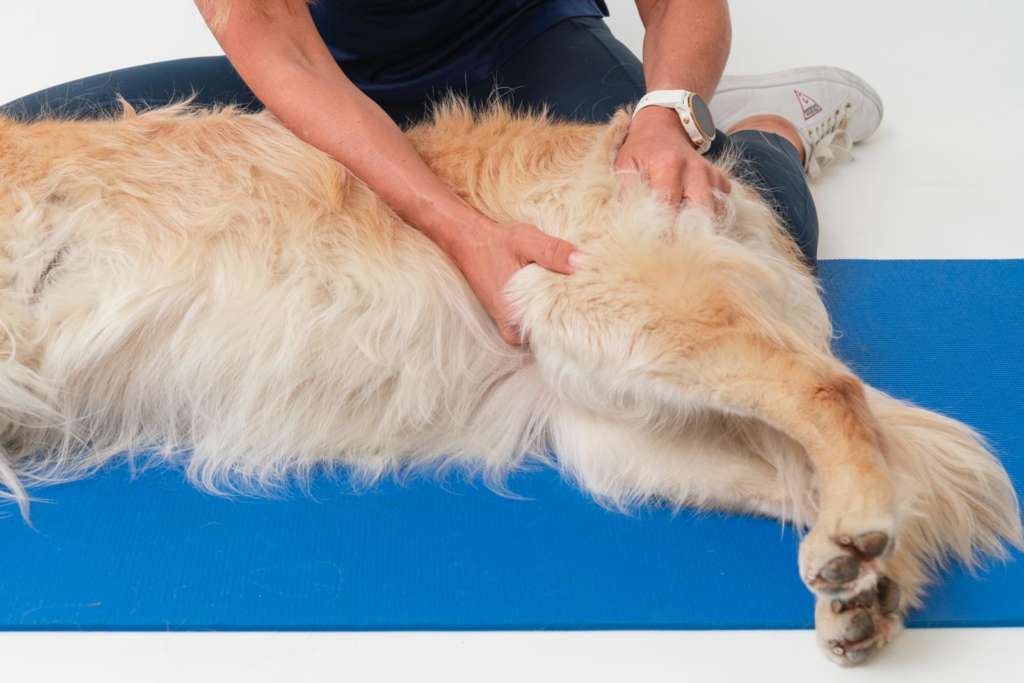
Canine Myofunctional Therapy is a holistic therapeutic treatment that integrates remedial massage of soft tissues and gentle stretching of muscles to encourage proper muscle function.
Myofunctional therapy aids in reducing restricted joint movement by addressing muscular dysfunction and helps treat common musculoskeletal problems.
For our dogs, massage promotes the same relaxing and healing benefits as it does for us. It provides a way to accurately locate and assess abnormalities, soreness, tension, adhesions, and any deviations that might be affecting overall body movement.
Massage can also aid in illness, injury, or surgical recovery through stress reduction and enhanced tissue healing. It enables muscle tissue to relax, extend, and maintain health by increasing the circulation of blood and lymph and facilitating the body’s natural healing process.
Massage can address:
- Joint stiffness and mobility issues
- Musculoskeletal conditions such as arthritis
- Post-injury or surgery recovery
- Promoting relaxation
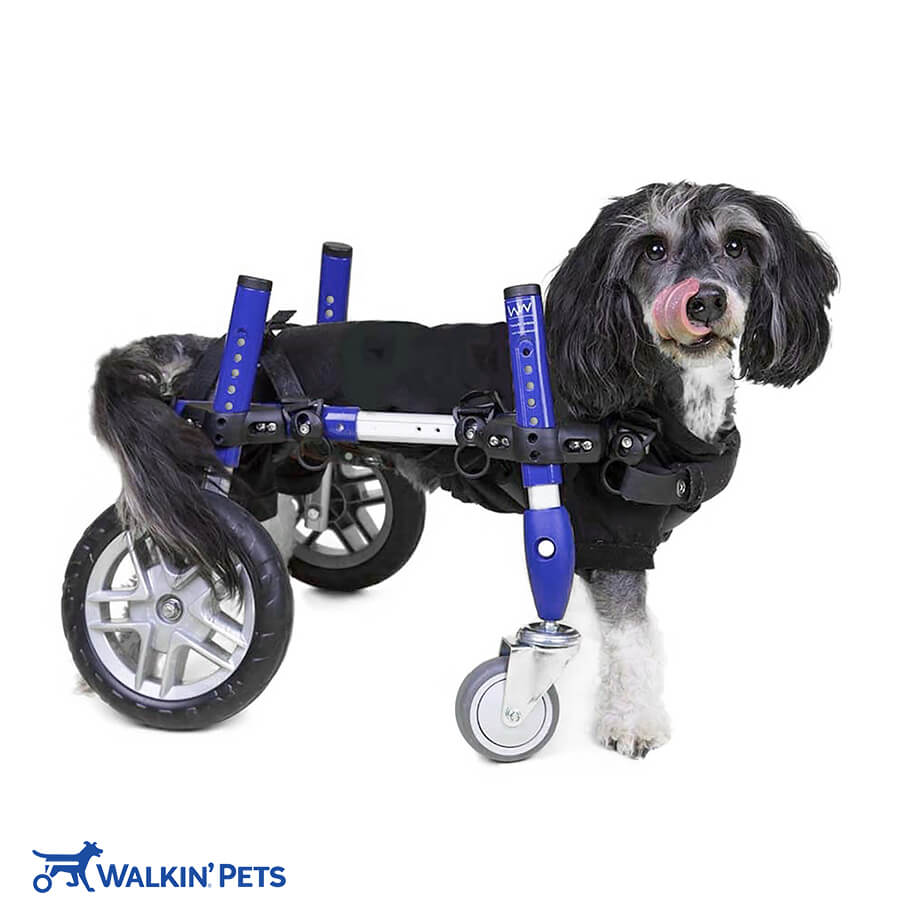
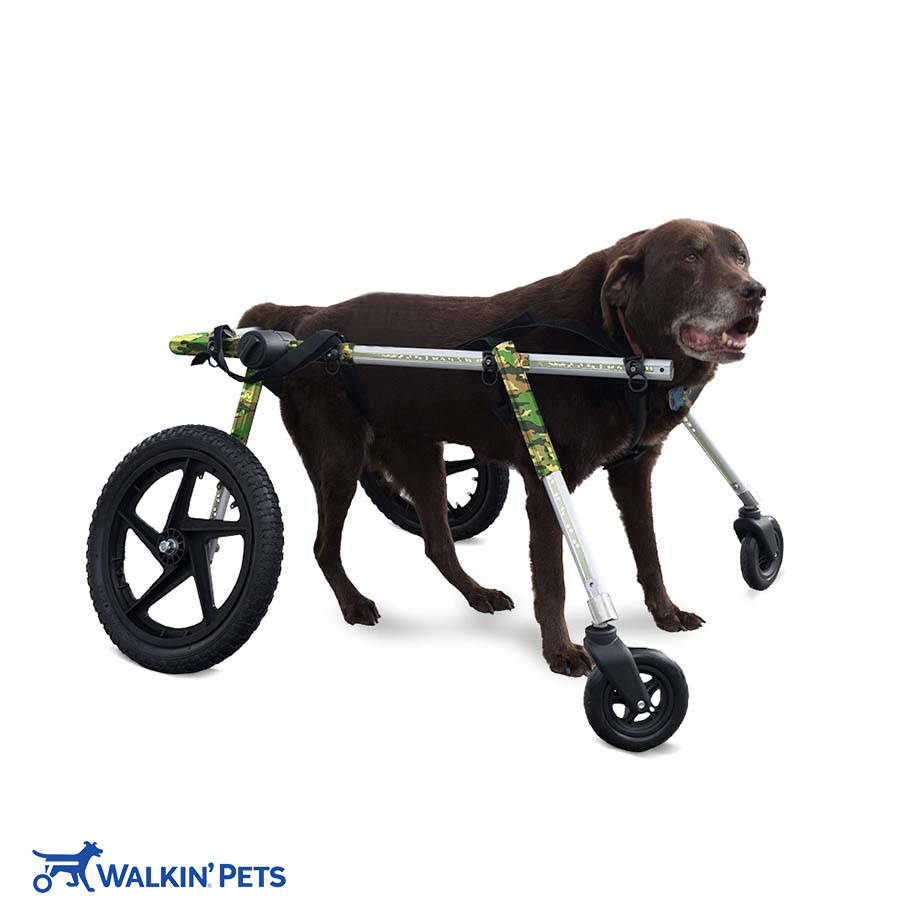
Walkin’ Wheels Wheelchair Rentals
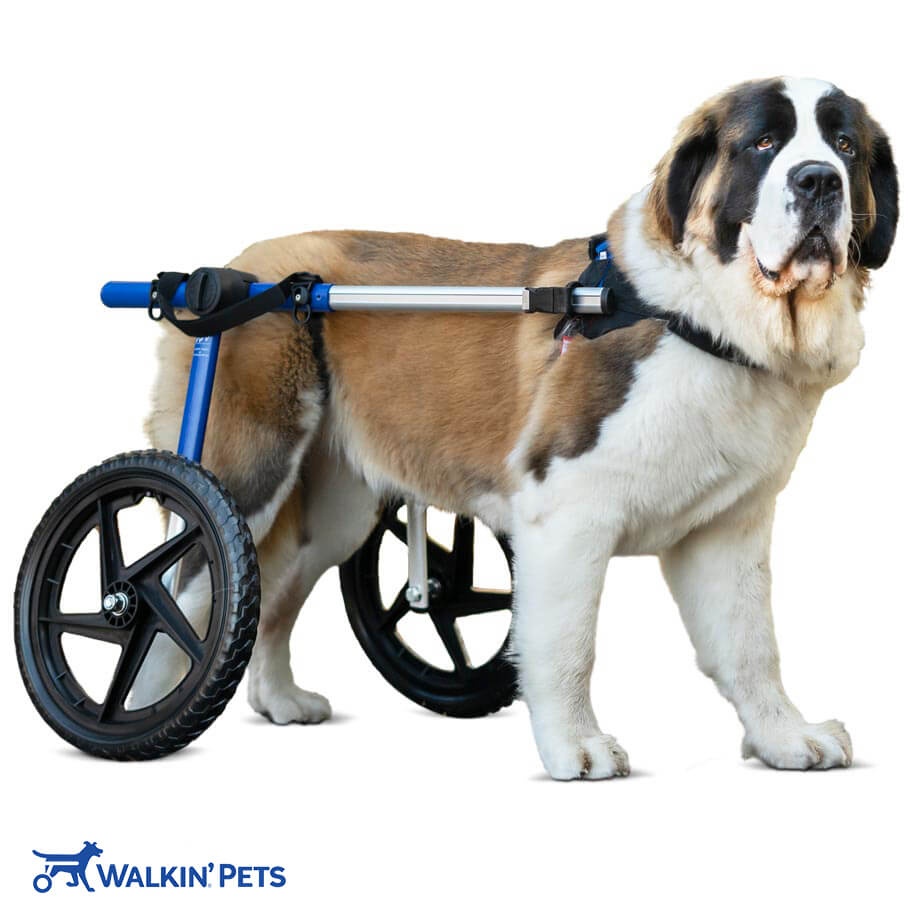
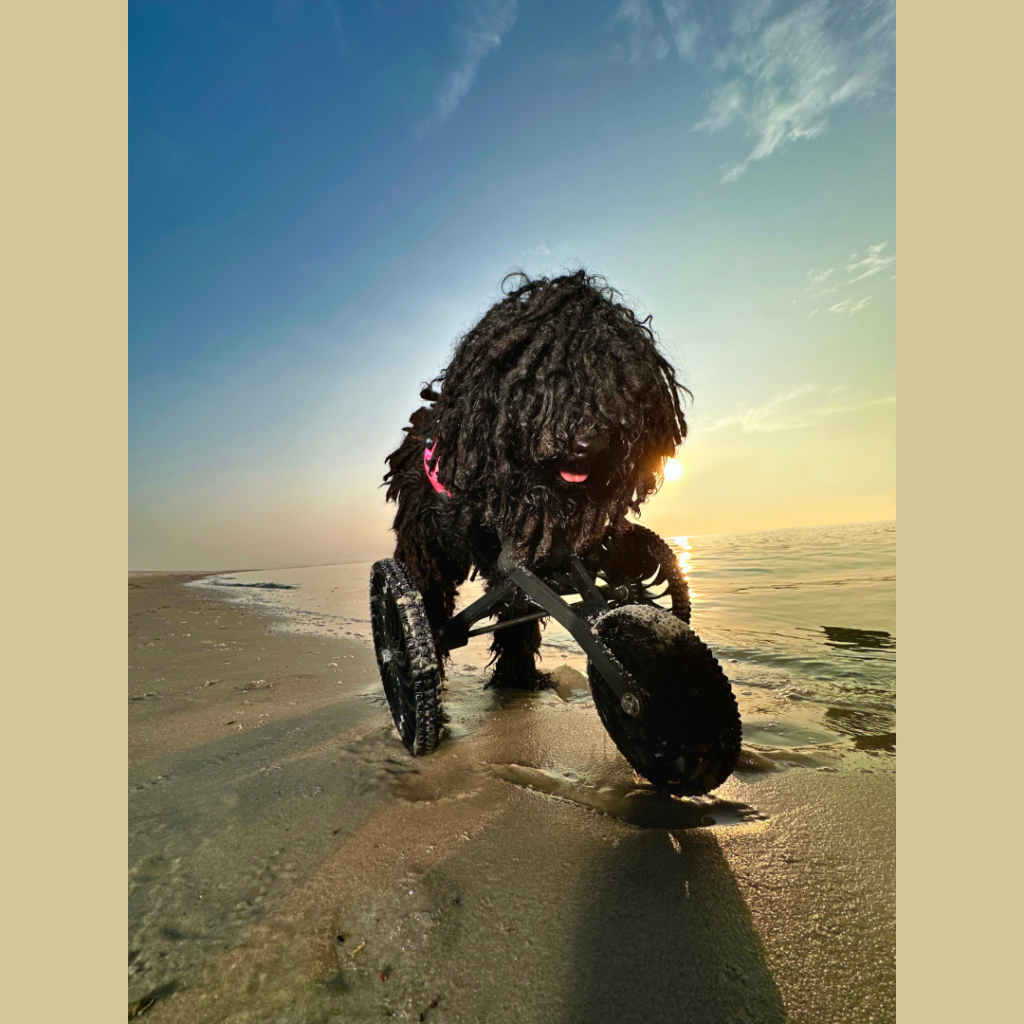
At MAP, we take great pride in providing Walkin Wheels Wheelchair rentals or purchases for our clients.
Various conditions, such as IVDD, hip dysplasia, degenerative myelopathy, arthritis, amputation, or post-surgery, can make it challenging for your pet to walk independently.
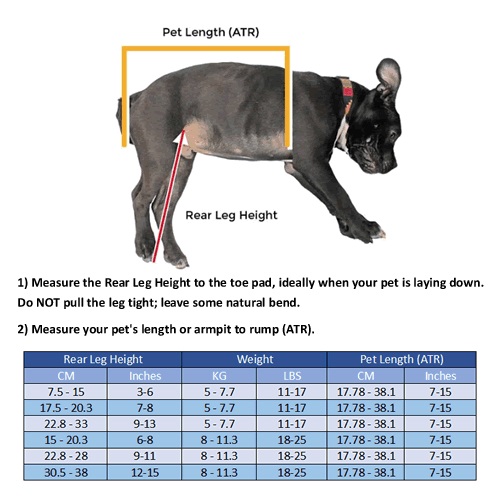
It’s ideal to collaborate with our therapists to determine the best plan, which may involve the use of supportive wheels. We can custom-fit these wheels based on your pet’s measurements and condition, enabling you to enroll in our convenient rental program.
If you decide the Wheels are a long-term option for your pet, we offer a rent-to-buy option, meaning every rental payment is put towards the purchase price.
Recognizing that some dogs may not need wheelchairs permanently, we strive to offer a straightforward and hassle-free way to make Walkin’ Wheels wheelchairs available for short-term use, avoiding the complexities of some rental programs.
Our primary focus is your pet’s well-being, and this journey begins with a consultation with one of our highly trained physiotherapists to determine the optimal fit.
For accurate fitting, please call or book online, and we’ll ensure the wheels are tailored correctly during your appointment. Your pet’s comfort and mobility are our utmost priorities.
Pricing Varies from $55-$100 per week for rental, depending on the size of the wheelchair.
3D Pets Pawvider
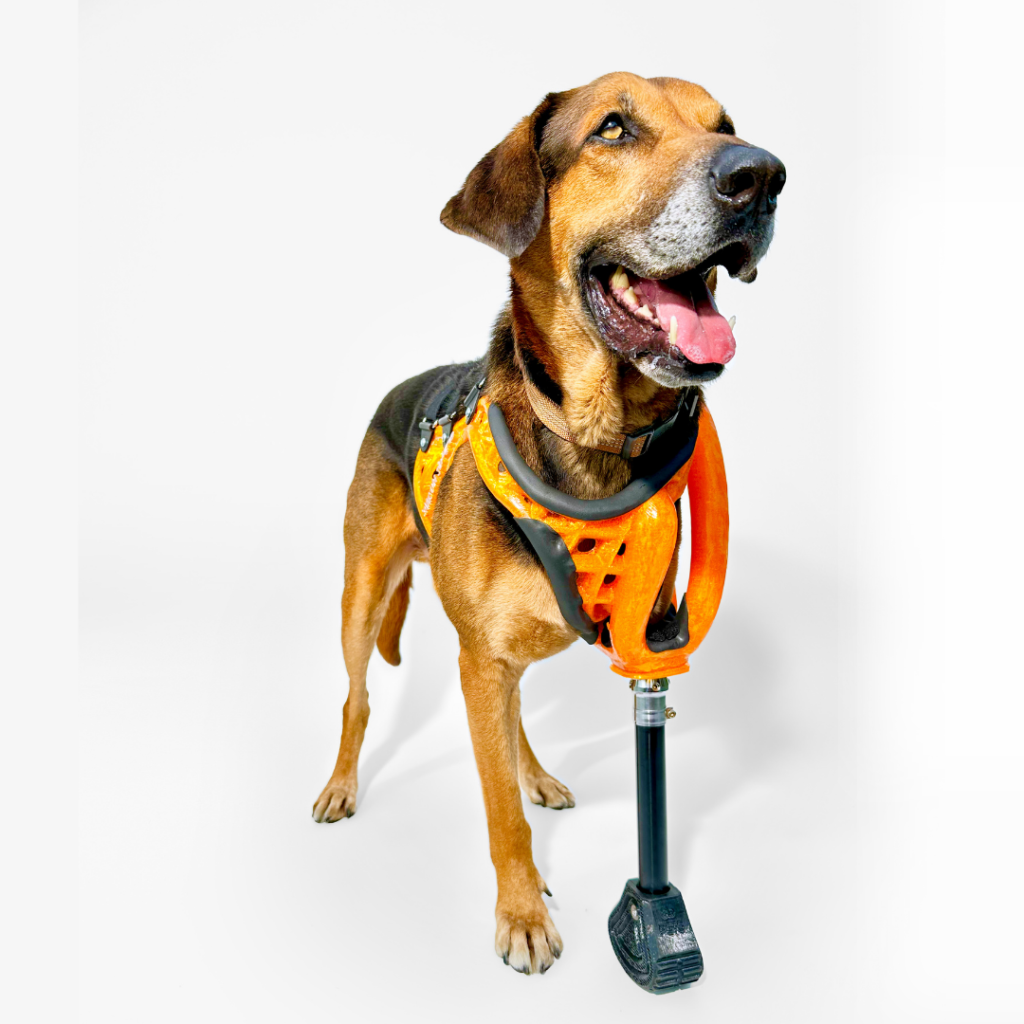
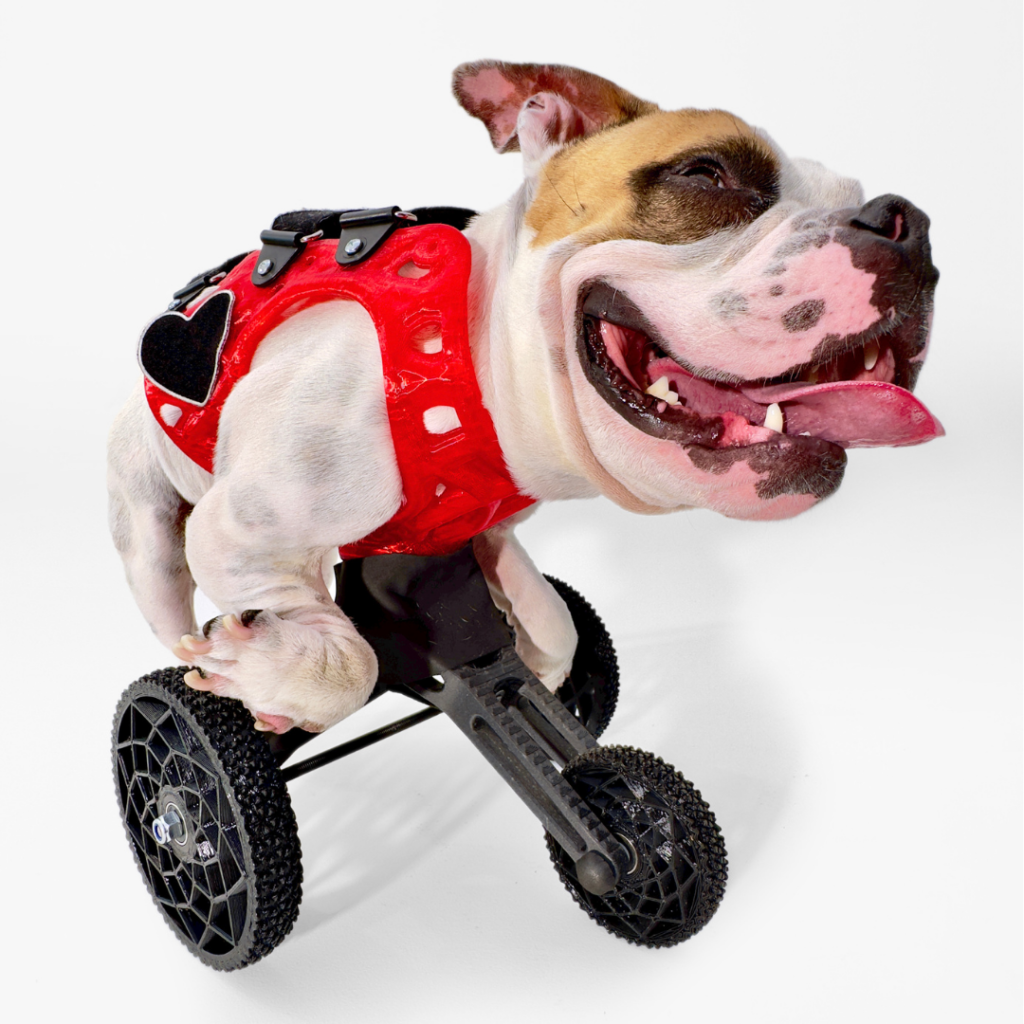
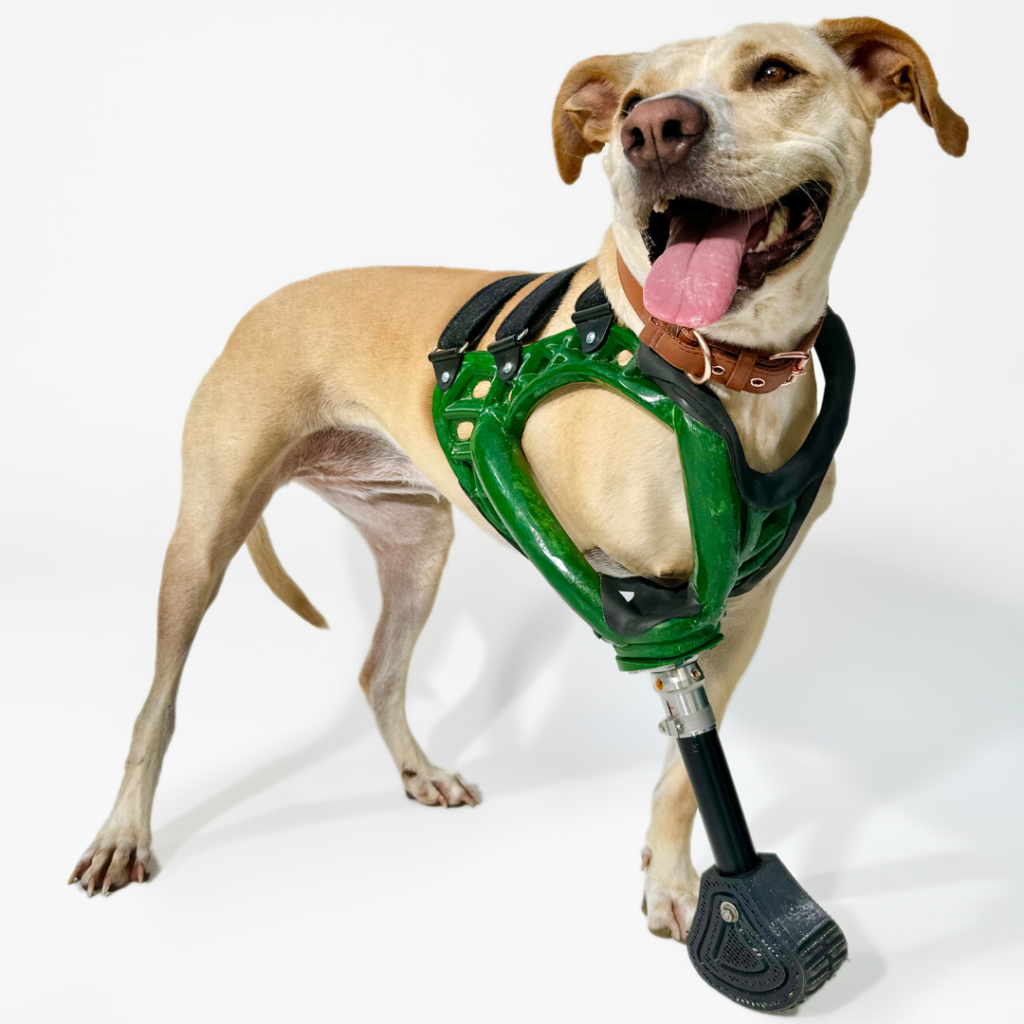
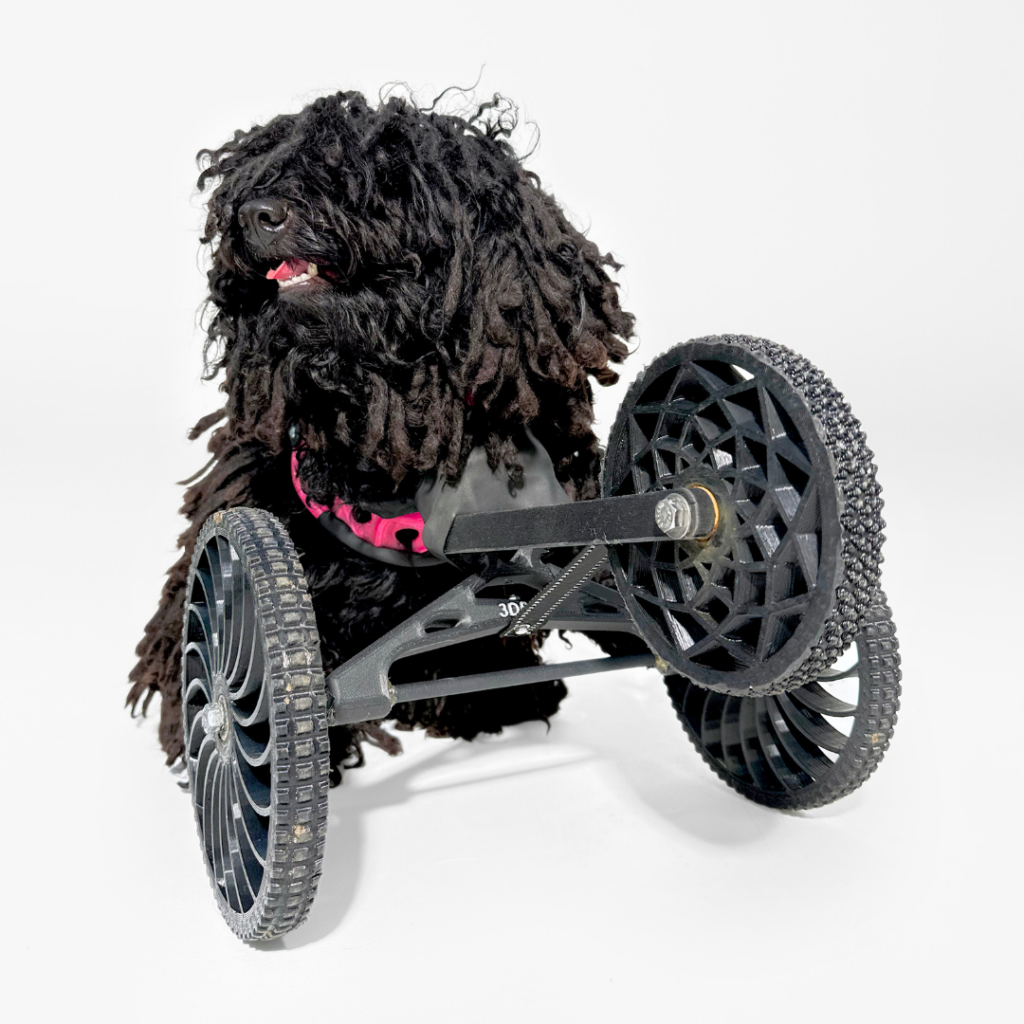
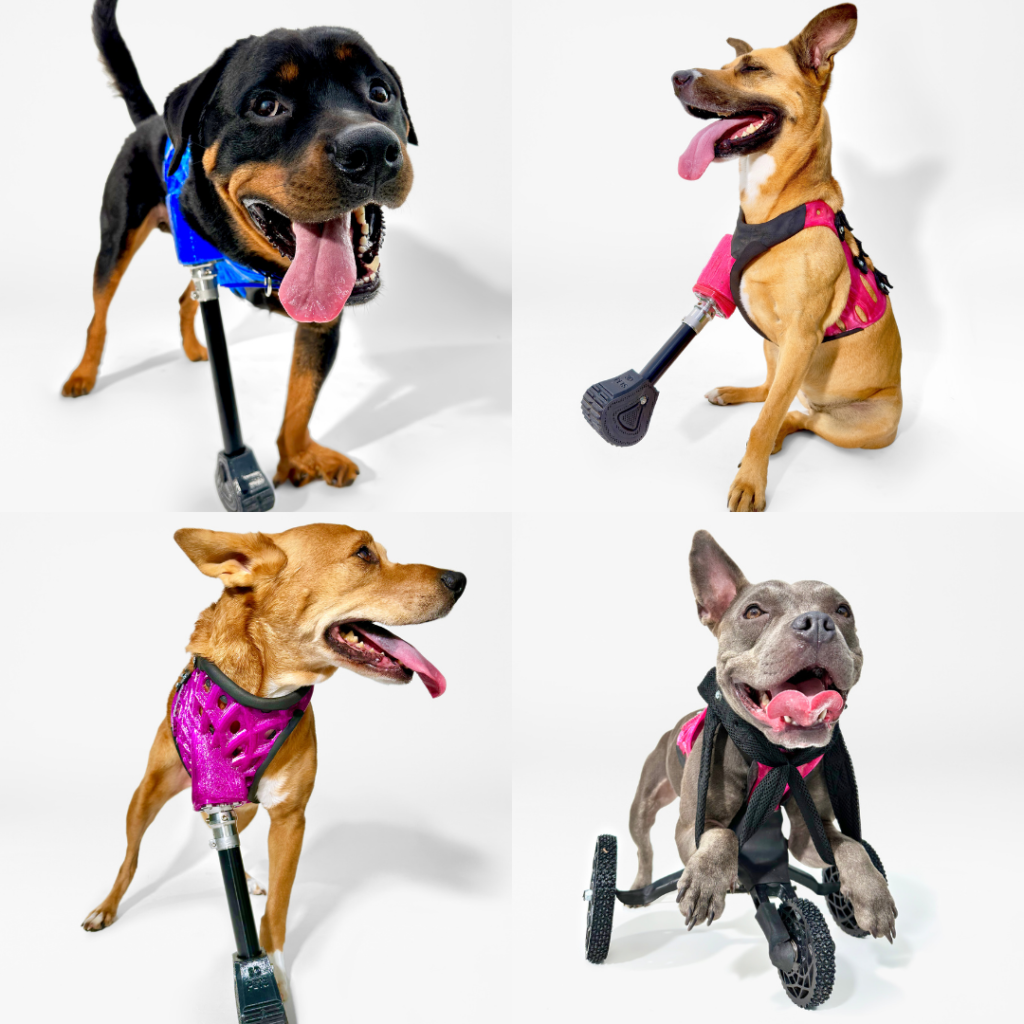
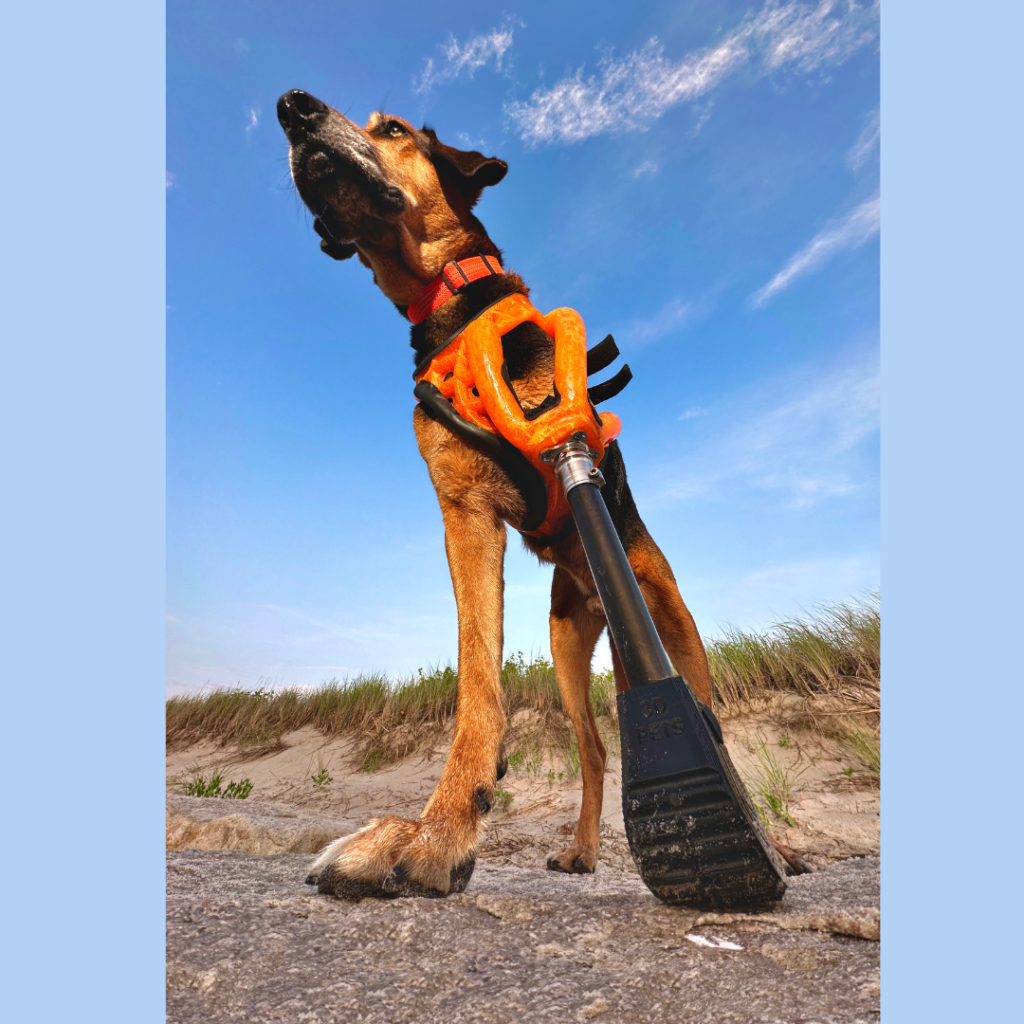
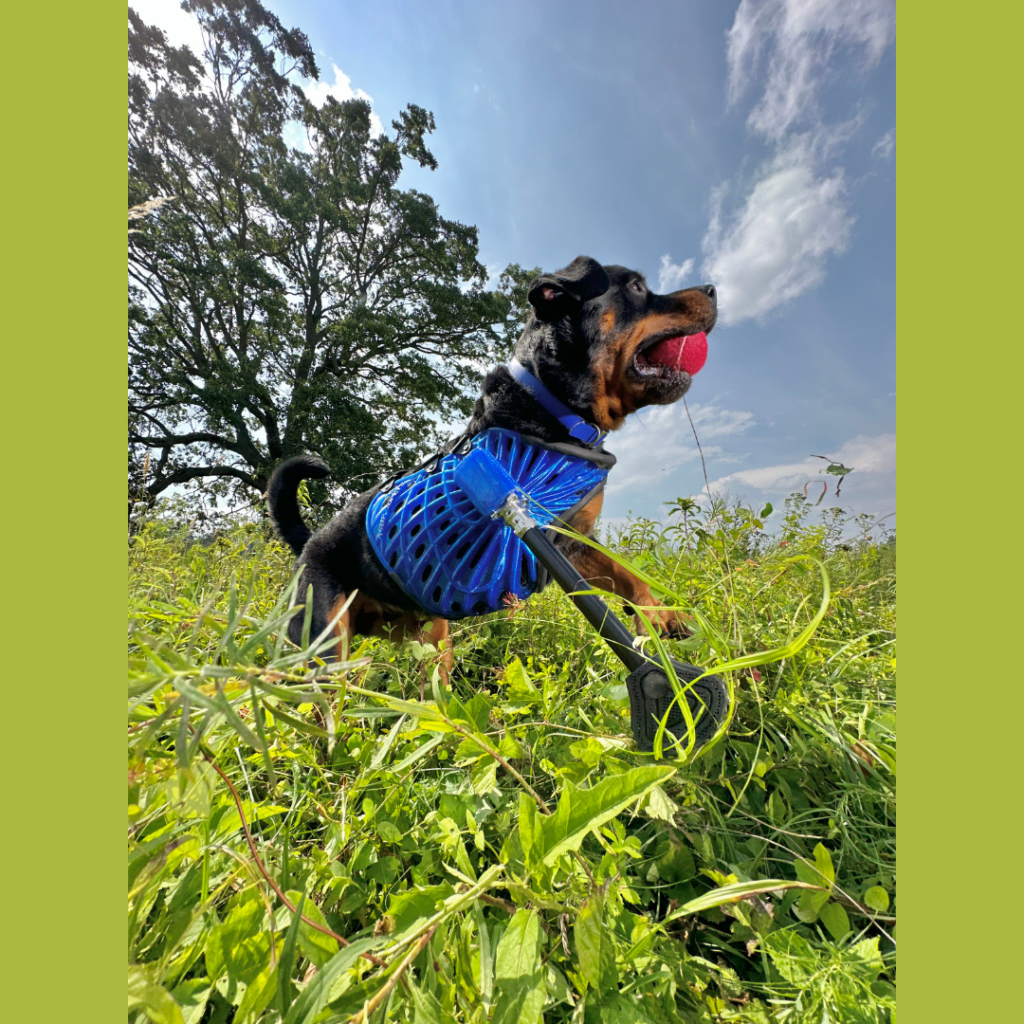
MAP is proud to be up to date on the latest full limb prosthetic devices.
By partnering with 3D Pets in the US, we can help provide a Full-Limb prosthesis for pups with no remaining shoulder blade or with a small residual nub/limb.
Utilizing the latest in technology, we 3D scan the patient and send the scans, along with all other relevant information, to 3D Pets. They then digitally modify, 3D print, and add final components.
The harness provides flexibility in certain areas and stiffness in others. It is the lightest at about 4kgs, extremely breathable, waterproof, and the foot is custom-designed to be shock-absorbing and wear-resistant.
Custom 3D Printed Orthoses and Braces
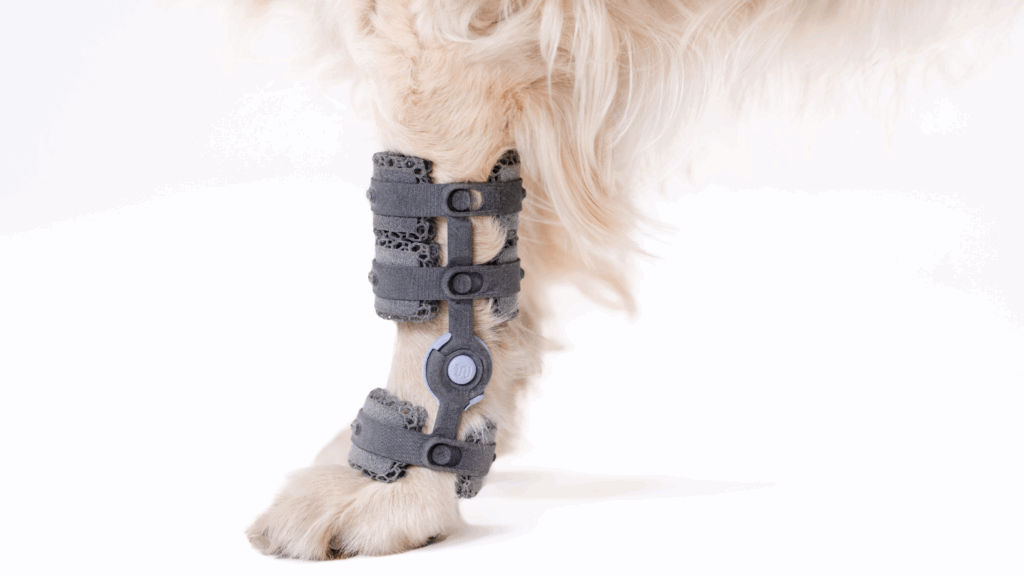
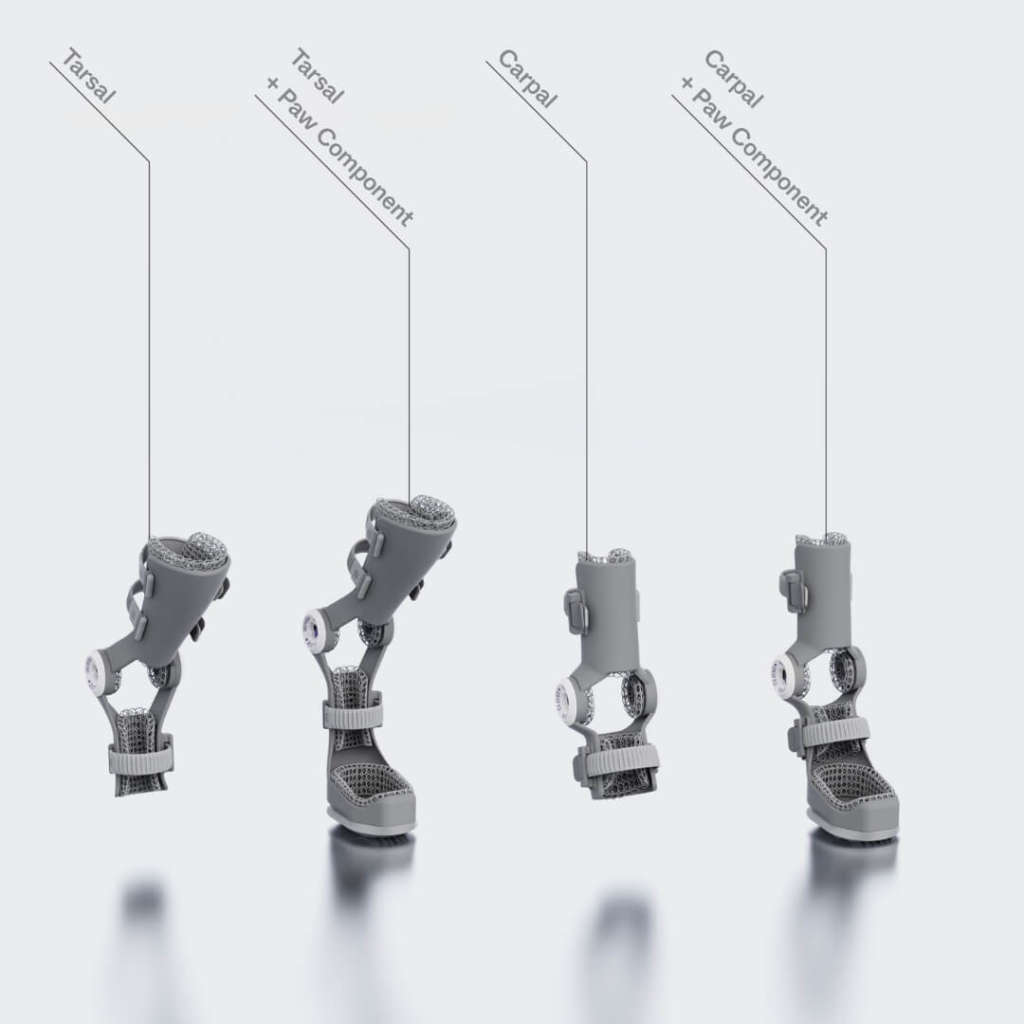
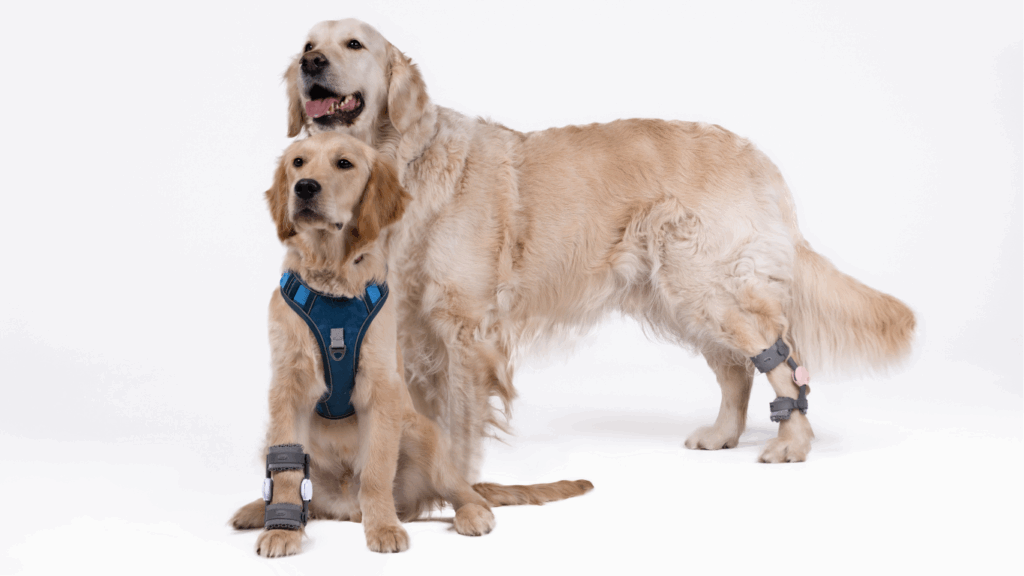
MAP is proud to offer the latest in 3D printed orthoses and braces for dogs.
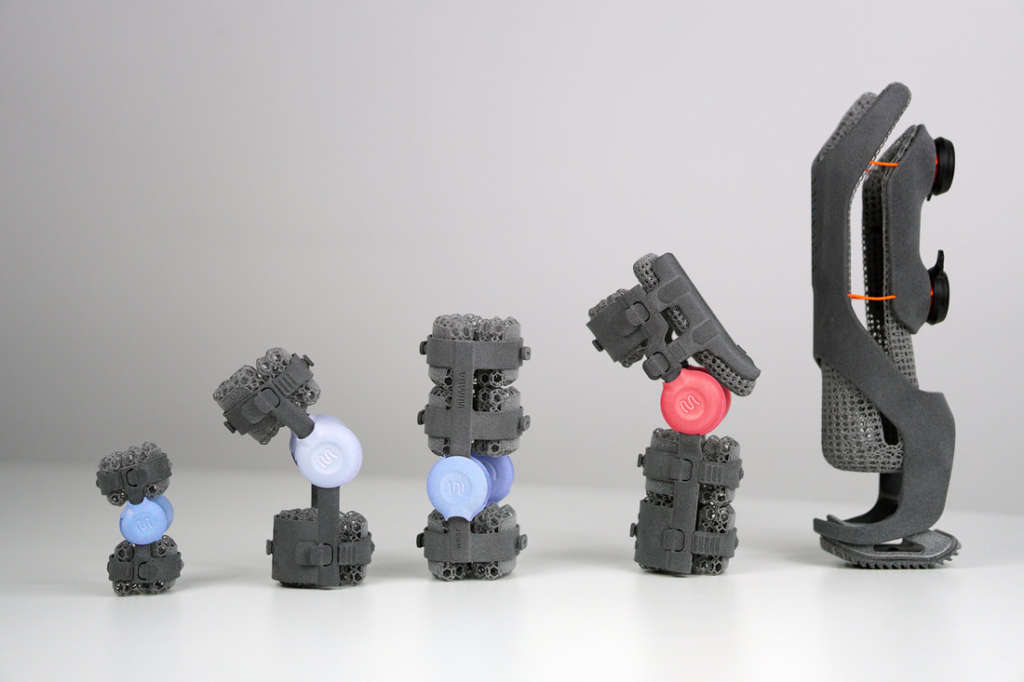
By partnering with WIMBA, a global leader in veterinary orthopaedic 3D printing, we can provide fully customised orthotic devices that are lightweight, durable, and built specifically for each patient. These braces are designed to adapt to your dog’s movement while offering targeted support to affected joints, improving comfort and mobility.
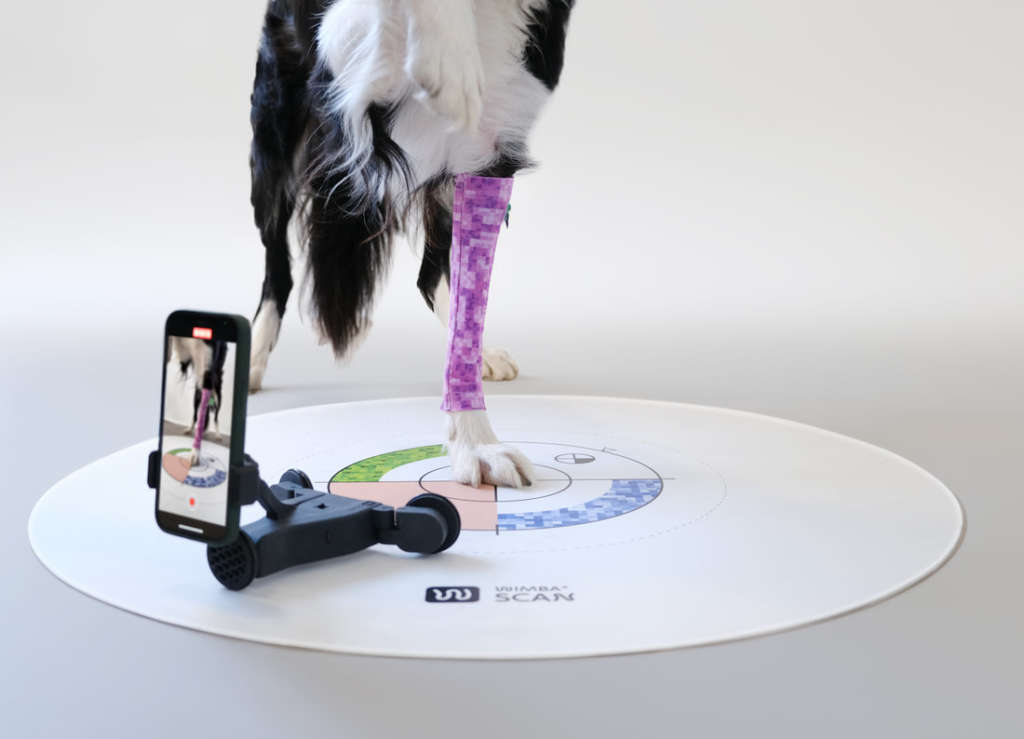
Using the latest technology, we take precise measurements and send them, along with clinical details, to WIMBA. The devices are then custom 3D printed, quality-tested, and express-shipped back to us for fitting.
Each brace is lightweight (most around 70g), waterproof, and includes interchangeable WIMBAtokens—coloured inserts that allow for controlled movement at specific angles. These tokens can be adjusted as your dog progresses through their rehabilitation.
Benefits include:
Treatments may include:
- Tailored fit for every patient
- Dynamic support that moves with your dog
- Ultra-lightweight and breathable materials
- Waterproof and easy to clean
- Rapid turnaround time – from measurement to delivery in around 3 weeks
- A range of brace types available
To explore whether a custom 3D printed orthosis is right for your dog, we recommend booking an initial physiotherapy appointment at MAP. This allows us to assess your dog’s condition and determine the most appropriate support device and rehabilitation plan for optimal results.
When
Should Animal Physiotherapy commence
How about
Vet referral?
Rehabilitation products
-
-
-
-
 Price range: $18000 through $24000 Buy now This product has multiple variants. The options may be chosen on the product page
 -
-
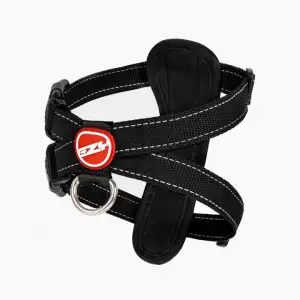 Price range: $5000 through $6000 Buy now This product has multiple variants. The options may be chosen on the product page
 -
-
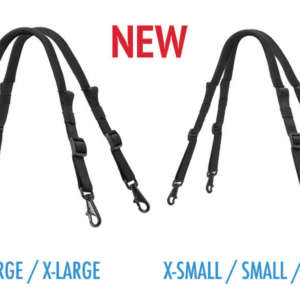
 Price range: $22000 through $28000 Buy now This product has multiple variants. The options may be chosen on the product page
 -
-
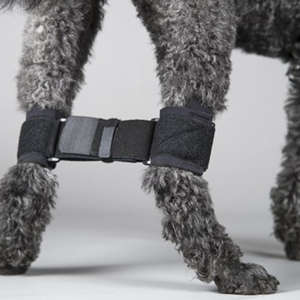
 Price range: $14300 through $19800 Buy now This product has multiple variants. The options may be chosen on the product page